
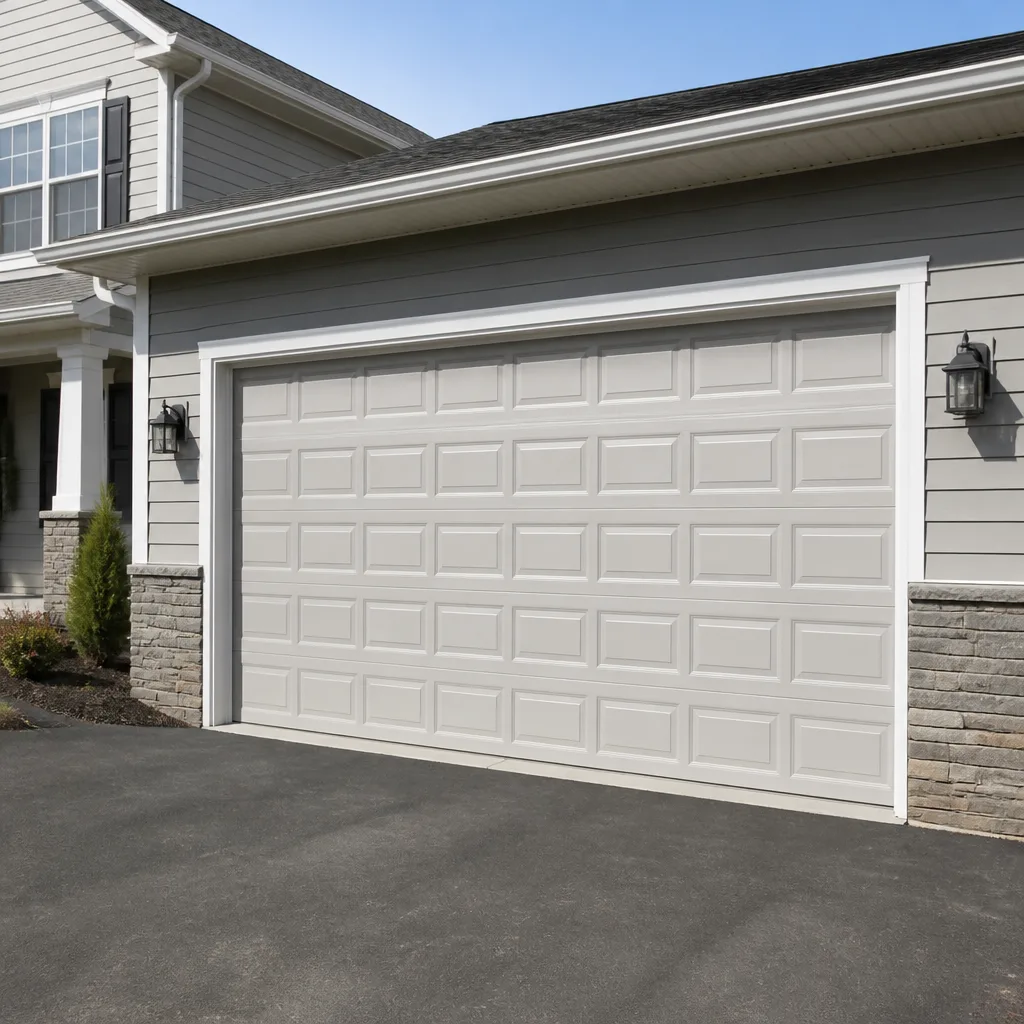
 Raised-panel steel
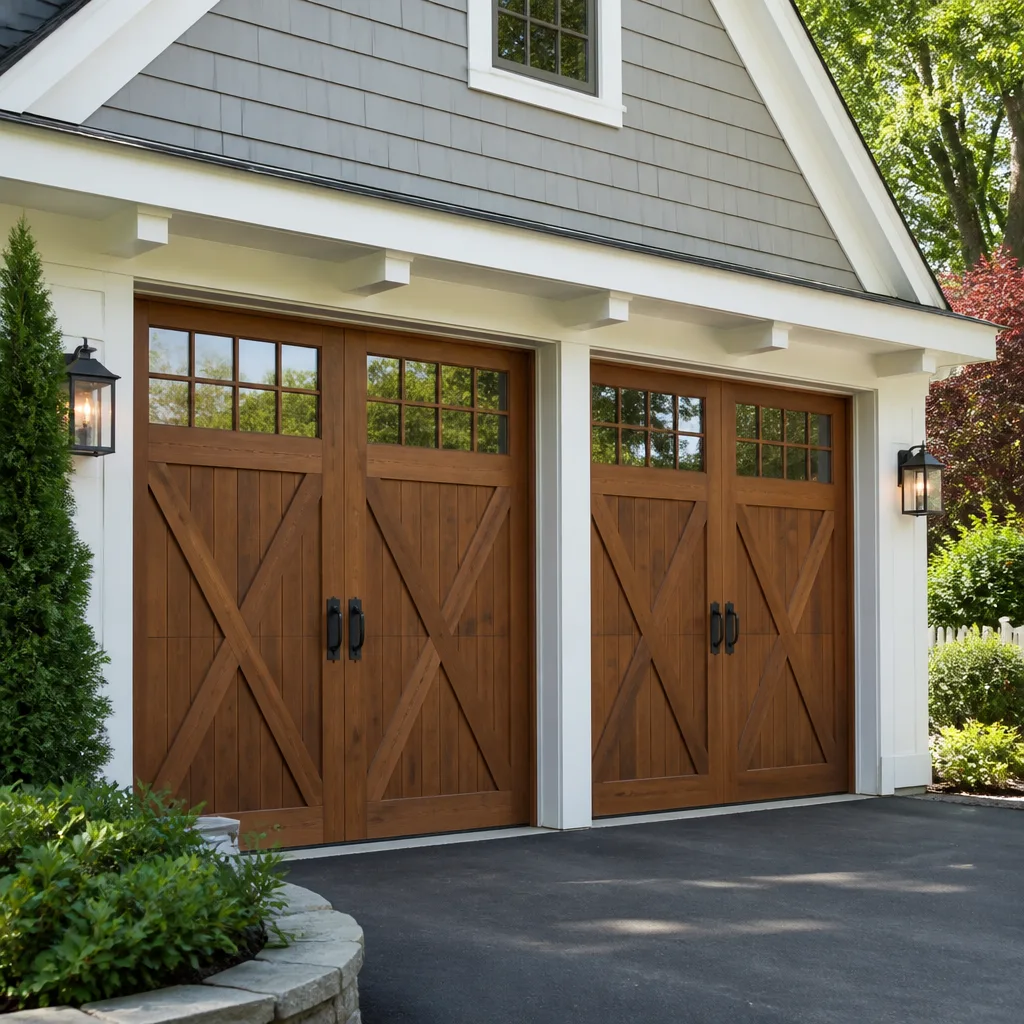 Carriage house
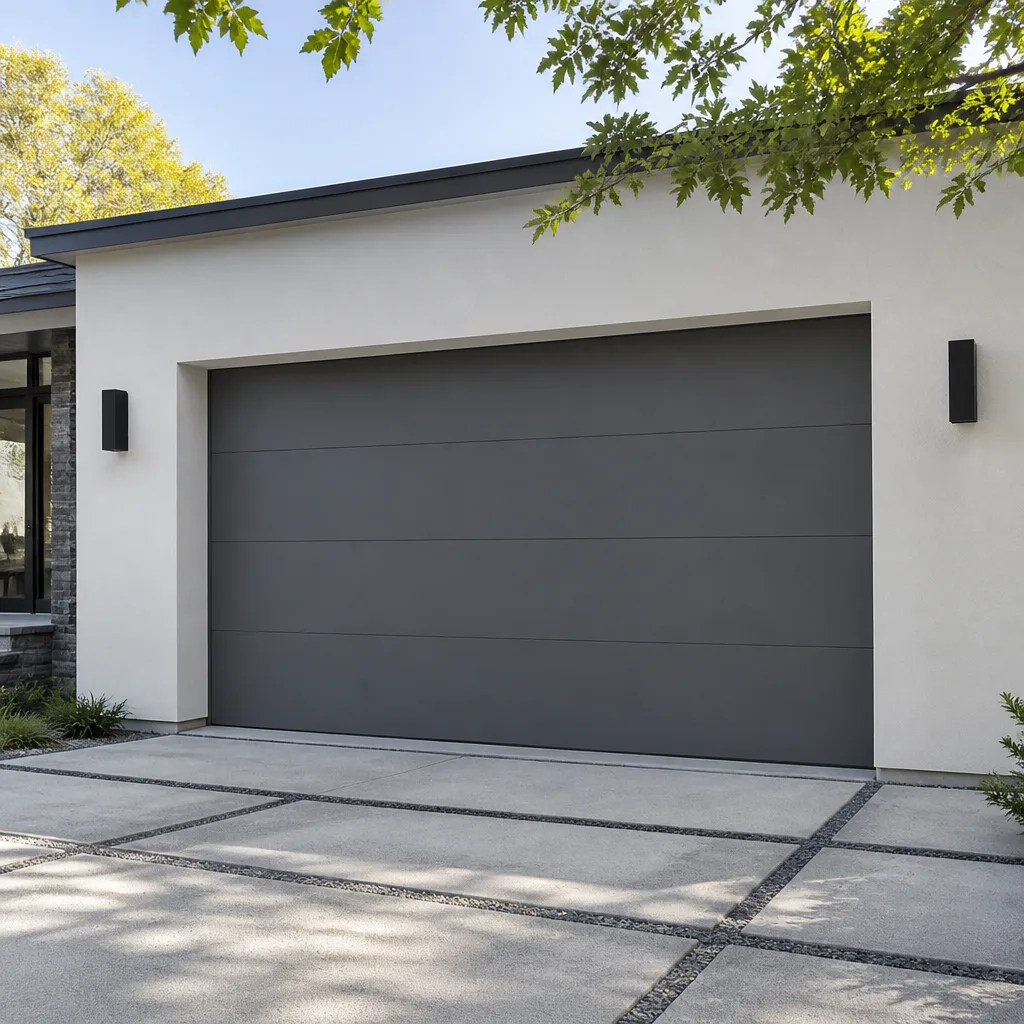 Modern flush
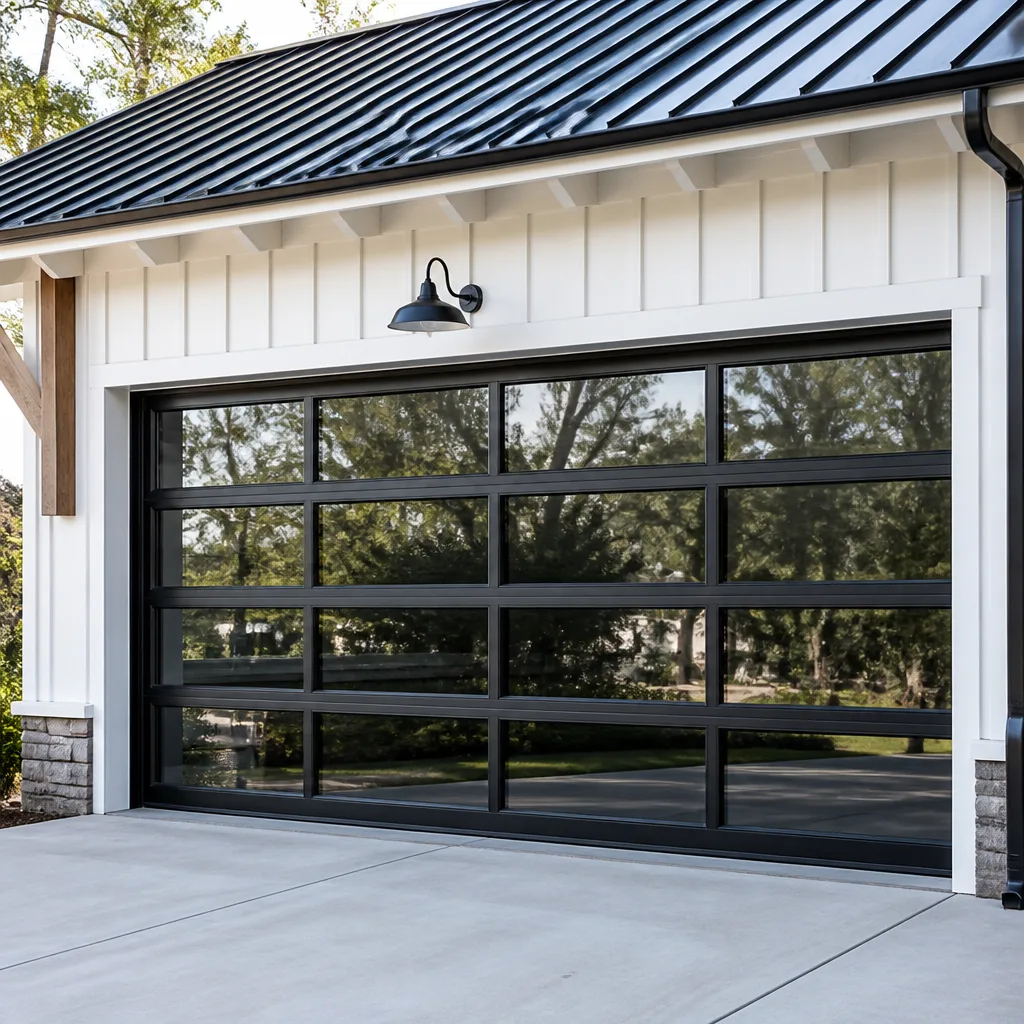 Full-view glass
 LiftMaster openers
 Chamberlain openers
Full 25-point door and opener safety check with every visit - springs, cables, rollers, tracks, and your LiftMaster or Chamberlain opener included
You get a price before we start. It does not change when the truck arrives.
Get your free estimateClopay Weather Seal Replacement: The Houston Owner’s Guide
Clopay weather seal replacement in Houston typically runs $85 to $160 installed, and most jobs are done in under an hour. We keep Clopay-compatible bulb seals and T-style bottom seals on the truck, along with the framing and header seals that fail on older doors. You’ll usually notice the problem as daylight under the door, water pooling on the garage floor after a rain, or a draft that makes the garage feel ten degrees hotter than it should in August.
The weather seal is the rubber strip that runs along the bottom of your door and the flexible trim that lines the sides and top of the opening. When it works, it keeps Houston rain, humidity, roaches, and outside air where they belong. When it fails, you’ll feel it before you necessarily see it. Wade Mercer, our owner, says he finds most failed seals because the homeowner mentions a musty smell or a higher electric bill first, then he looks under the door and sees the gap.
Which Clopay Models This Applies To
The bottom weather seal on Clopay residential doors is not one universal part, and that’s the single most common mistake we see from people who try to order a replacement themselves. Clopay uses at least three different bottom seal profiles depending on the door series: the Classic and Value series doors take a T-style seal that slides into a single retainer channel, while the Gallery and Reserve series often use a U-shaped bulb seal that seats differently. Some Clopay carriage-house doors pair a wider retainer with an oversized bulb to close the gap on uneven Houston driveways.
The reliable way to identify your part is to look at the retainer itself, not the rubber. The aluminum or plastic channel that grips the seal will either have a single T-slot centered underneath, an off-set slot, or twin channels for a top and bottom bulb. Measure the slot width in inches and note whether the retainer is screwed on or integrated into the bottom panel. We match Clopay OEM seals where the door is under ten years old and we can source the exact profile; on older doors where OEM inventory is spotty, we use a quality aftermarket seal with the same slot dimensions and a comparable compression rating. The aftermarket options we carry last just as long in Houston’s heat, and they cost less. We’re an independent service provider, not a Clopay dealer, so our only interest is the part that fits your door and seals your garage.
Styles & brands we work with
Signs Your Clopay Weather Seal Replacement Is Failing
- Light visible under the door. Stand inside the garage with the door closed and look at the floor line. If you see daylight anywhere along the bottom, the seal has compressed past the point of recovery or torn away from the retainer. Once it’s flat, it can’t spring back.
- Water on the garage floor after a Houston storm. This is usually the seal’s fault if the water traces a line near the door. Wind-driven rain gets pushed under the door when the bottom seal loses contact with the slab, and Houston gets exactly that kind of rain several times a year.
- Crumbling or brittle rubber. Clopay seals are rubber compounds that oxidize in heat and high humidity. If the seal feels like a stale pencil eraser or leaves black marks on your fingers when you touch it, the material has degraded and needs replacement, not re-seating.
- Pest evidence near the door edges. The jamb seals along the sides and header cover the gap between the door and the frame. When those flatten or peel away, roaches and silverfish get a clear walkway into the garage. We hear this complaint regularly in Houston neighborhoods with older oak trees and heavy ground cover.
- A draft or obvious temperature difference. Put your hand near the door edge on a hot afternoon. If you feel warm air moving in, the perimeter seal has failed. That air exchange makes the garage hotter, works your AC harder if the house shares a wall with the garage, and invites humidity that rusts tools and softens cardboard boxes.
See the difference
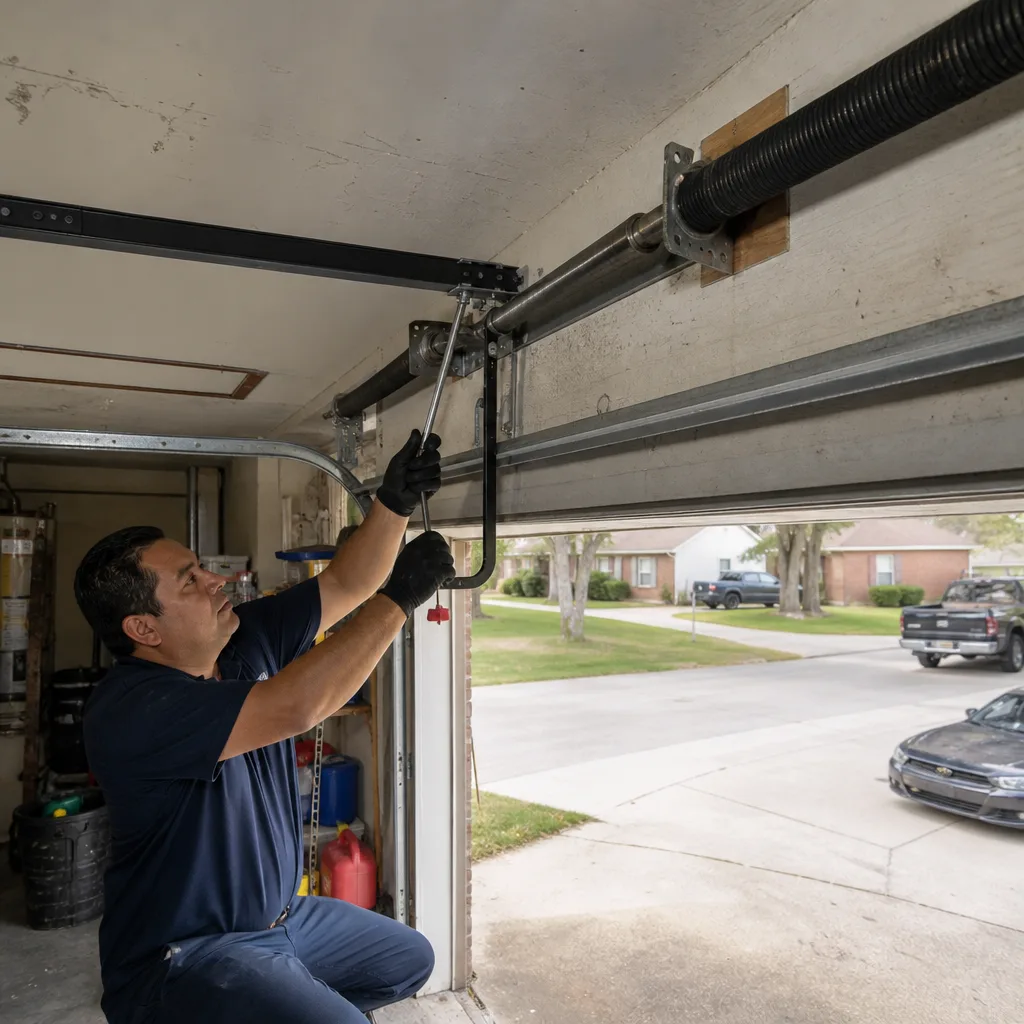 Before
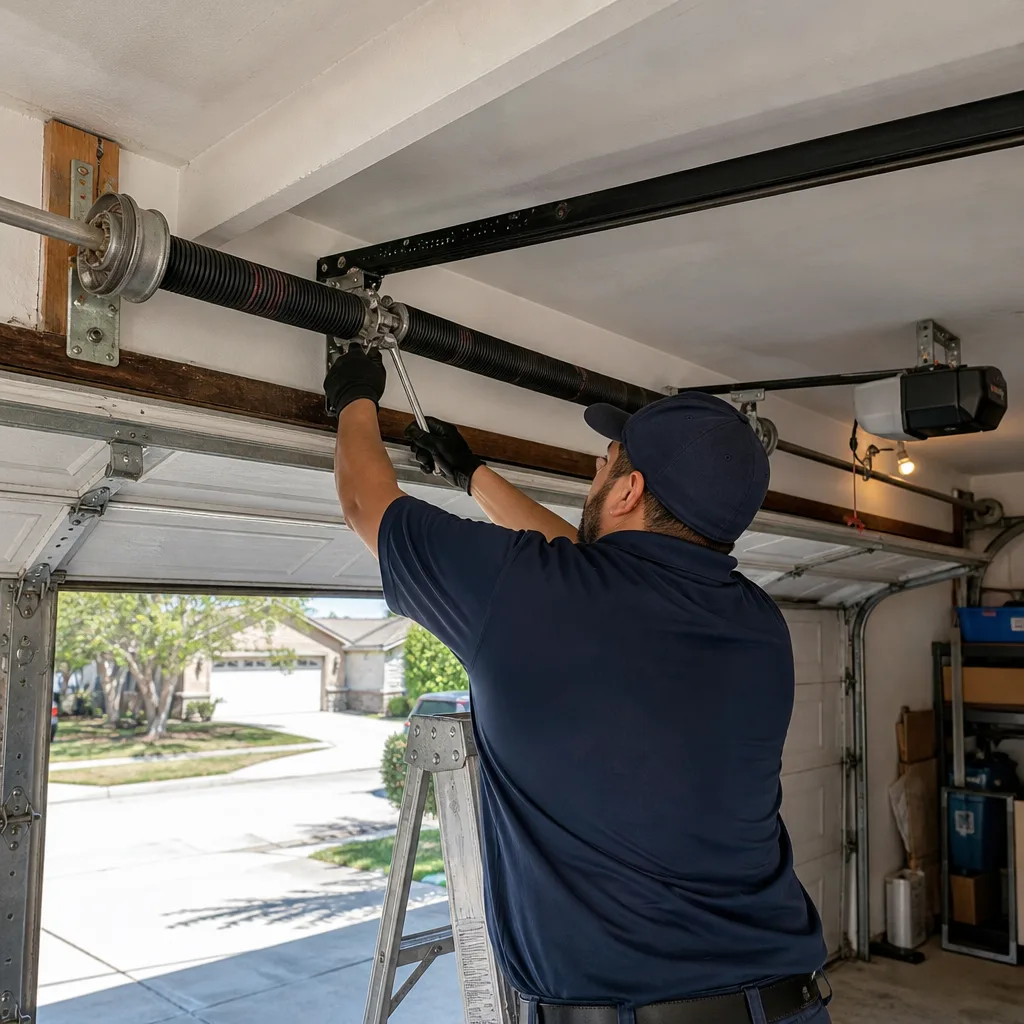 After
After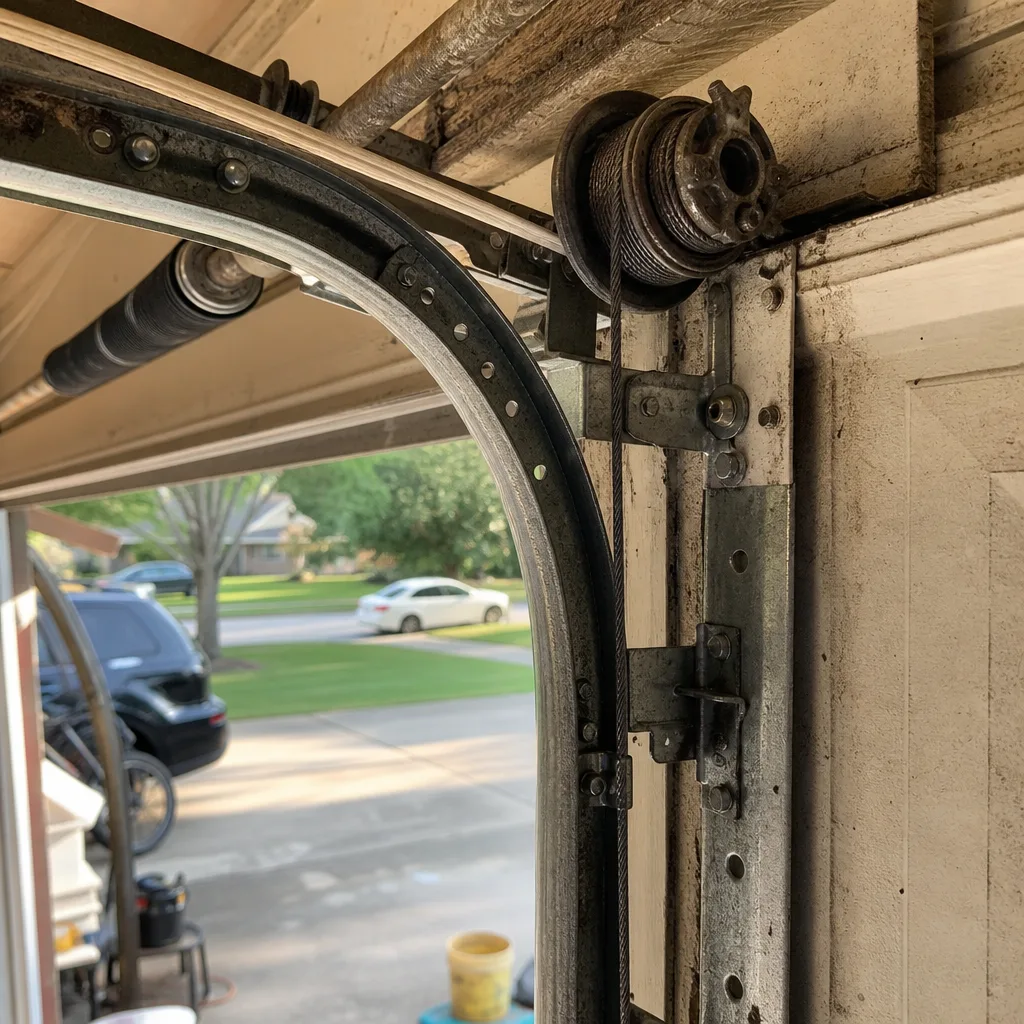 Before
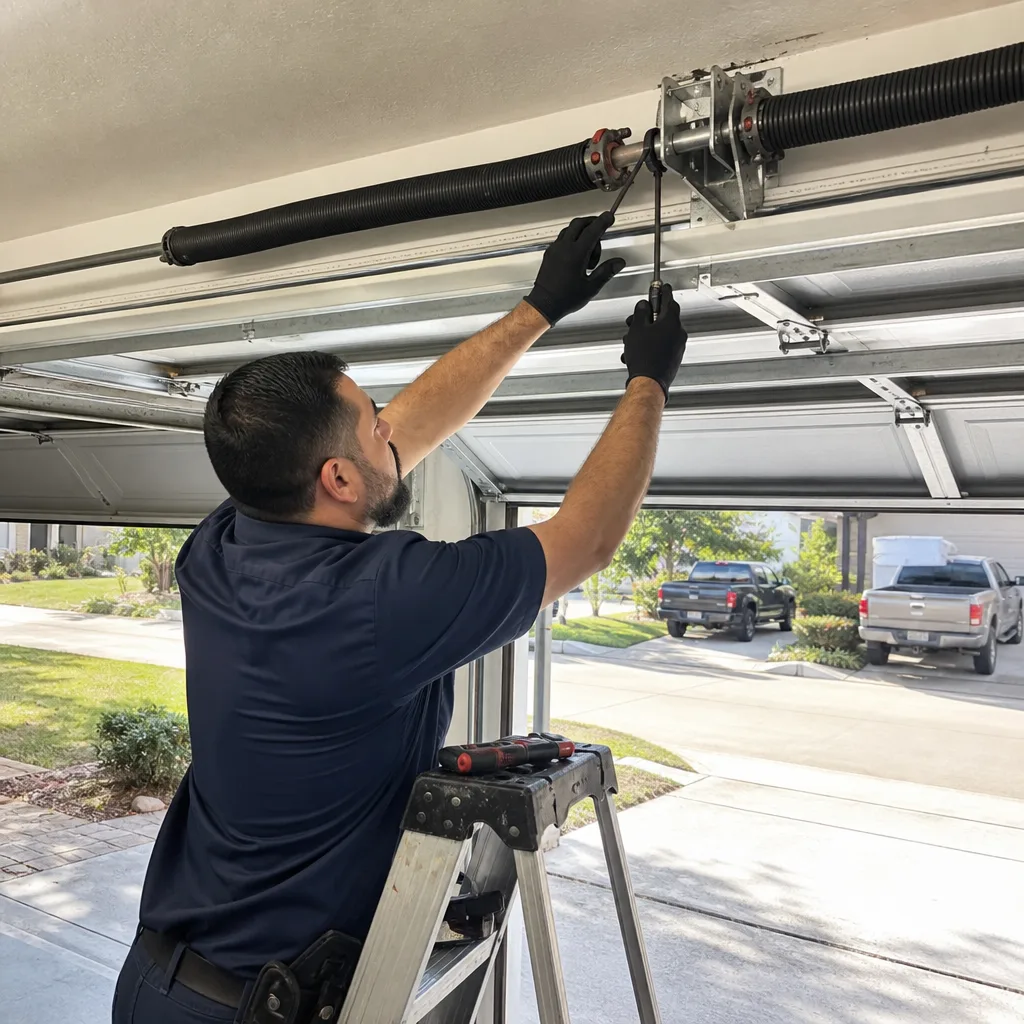 After
After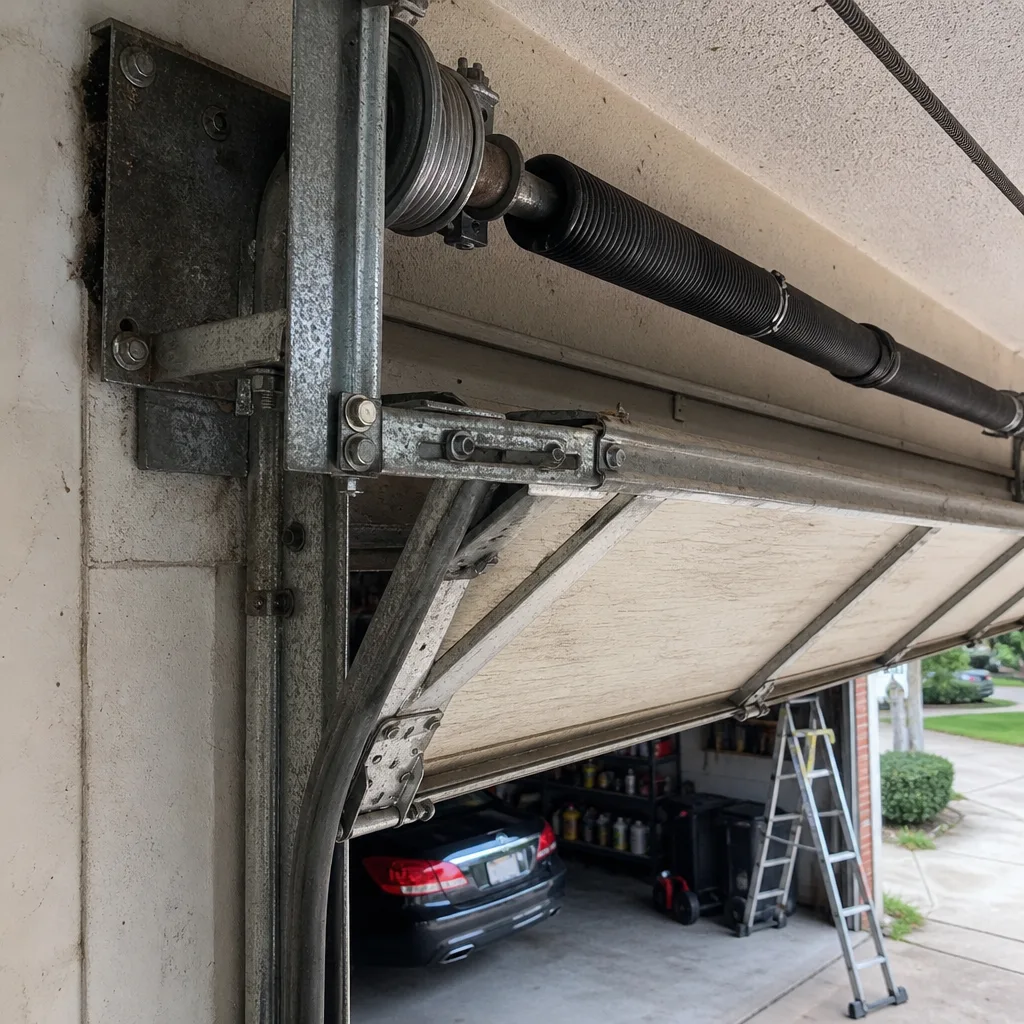 Before
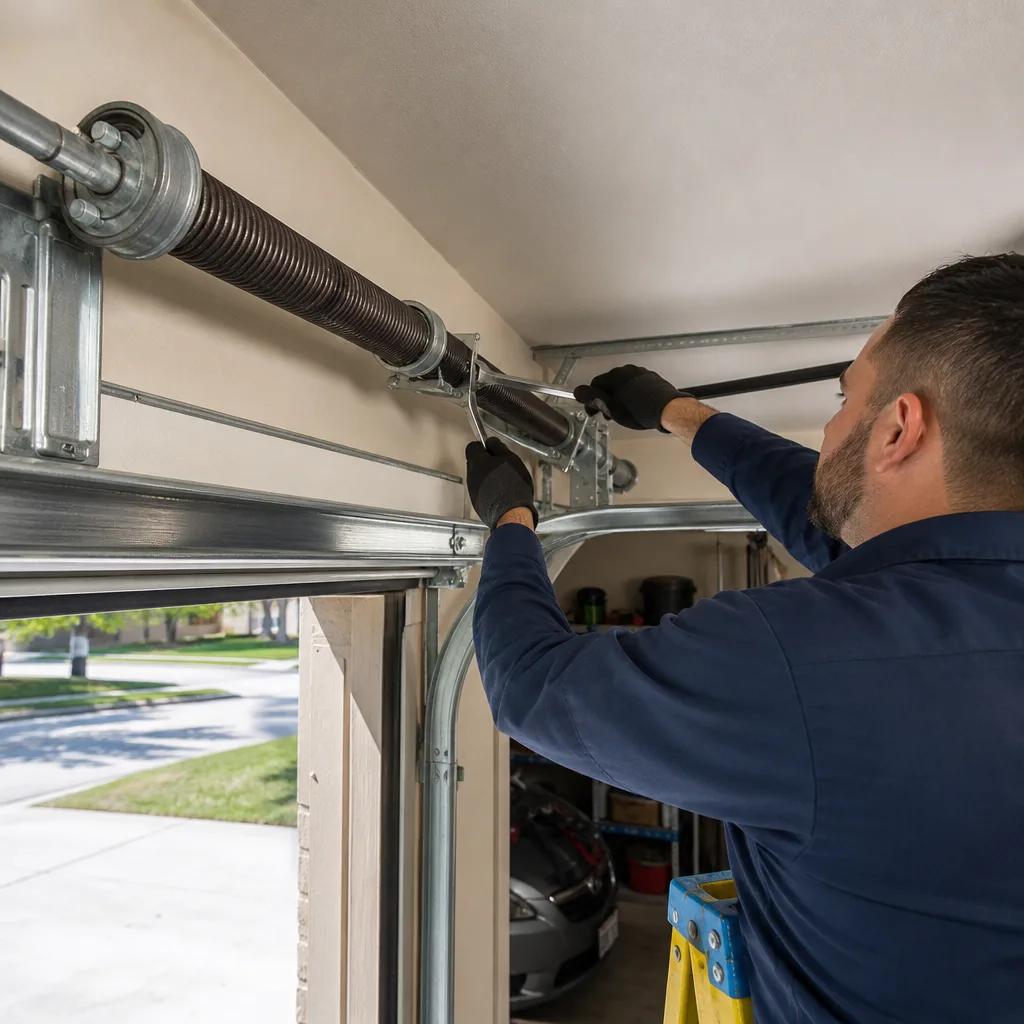 After
AfterReplacement Cost & What’s Included
In Houston, Clopay weather seal replacement runs $85 to $160 installed for a standard single door. The range depends on three things: whether you’re replacing just the bottom seal or bottom plus the side and header trim, which Clopay profile your door uses, and whether the retainer channel itself shows corrosion from years of Houston humidity and needs to be cleaned or swapped. A bottom seal alone is usually $85 to $110. Bottom plus perimeter jamb seals on a single door lands between $120 and $160. Double doors run higher because there’s more linear footage and double the hardware.
Every quote is written down and handed to you before we start work. The price covers the seal material, the removal of the old seal, any retainer cleaning, installation, and a test cycle to make sure the door seats evenly against the new rubber. The work is covered by our 365-Day Done Right Promise in writing: if the seal fails within a year, we return and correct it at no charge. No add-ons once the job begins. No “we found something else” phone call with a new number.
DIY or Call Us?
Weather seal replacement is a low-risk job, and if you’re handy, you can replace a bottom seal yourself with a flathead screwdriver, tape measure, and about thirty minutes. Where it goes wrong is the procurement, not the labor. If you order a seal by door brand without checking your retainer profile, you’ll get a part that doesn’t seat correctly and either falls out or fails to close the gap. We’ve followed dozens of Houston DIY attempts where the homeowner paid for a seal, fought the install, and still had daylight under the door because the profile was wrong for their Clopay series.
If you’d rather not deal with the measurement, the parts matching, and the run to a supplier who may or may not carry the right profile, call us. We bring the common Clopay profiles on the truck, match the seal to your retainer on site, and have the old seal out and the new one in before your garage floor heats up again. Call (325) 308-2009 and we’ll give you a straight answer on cost before we schedule anything.
FAQs
A Clopay bottom weather seal in Houston lasts 3 to 5 years on average, shorter if the door faces west and gets direct afternoon sun on the bottom panel. Heat and humidity break down the rubber compound, and an unsealed door in a hot garage ages faster than one that stays dry.
No, once the rubber compresses flat or begins crumbling, there is no practical way to restore its shape or give it new life. Re-seating it only works if the seal is new but pulled loose from the retainer. Anything more than a few years old gets replaced, not patched. Call us at (325) 308-2009 if you’re not sure which side of that line your seal is on.
A standard single-door bottom seal replacement takes 30 to 45 minutes from start to finish, including cleaning the retainer channel and testing the door. Adding the side and header seals brings it to about an hour and a half. We schedule the time and stick to it.
Yes, our trucks carry the common Clopay bottom seal profiles and perimeter jamb seals for standard residential doors in Houston. If you have an uncommon profile or a carriage-house door with a wide retainer, we’ll confirm the part before we arrive so the job gets done in one visit. We also keep parts for LiftMaster, Chamberlain, and Genie systems when the issue runs beyond the seal itself.
Written by Wade Mercer, Owner, Brock Garage Doors Houston at Brock Garage Doors Houston, serving Houston and nearby areas.