

Last updated October 16, 2026
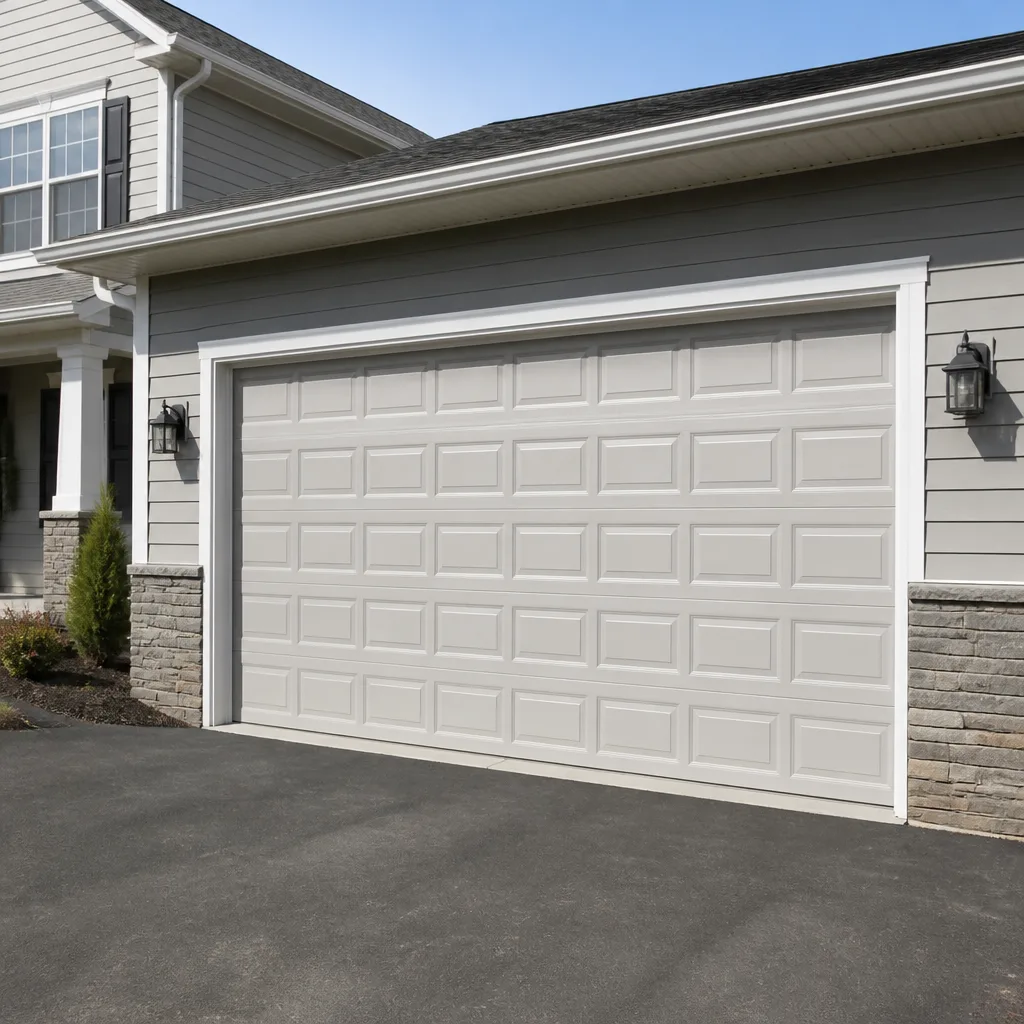 Raised-panel steel
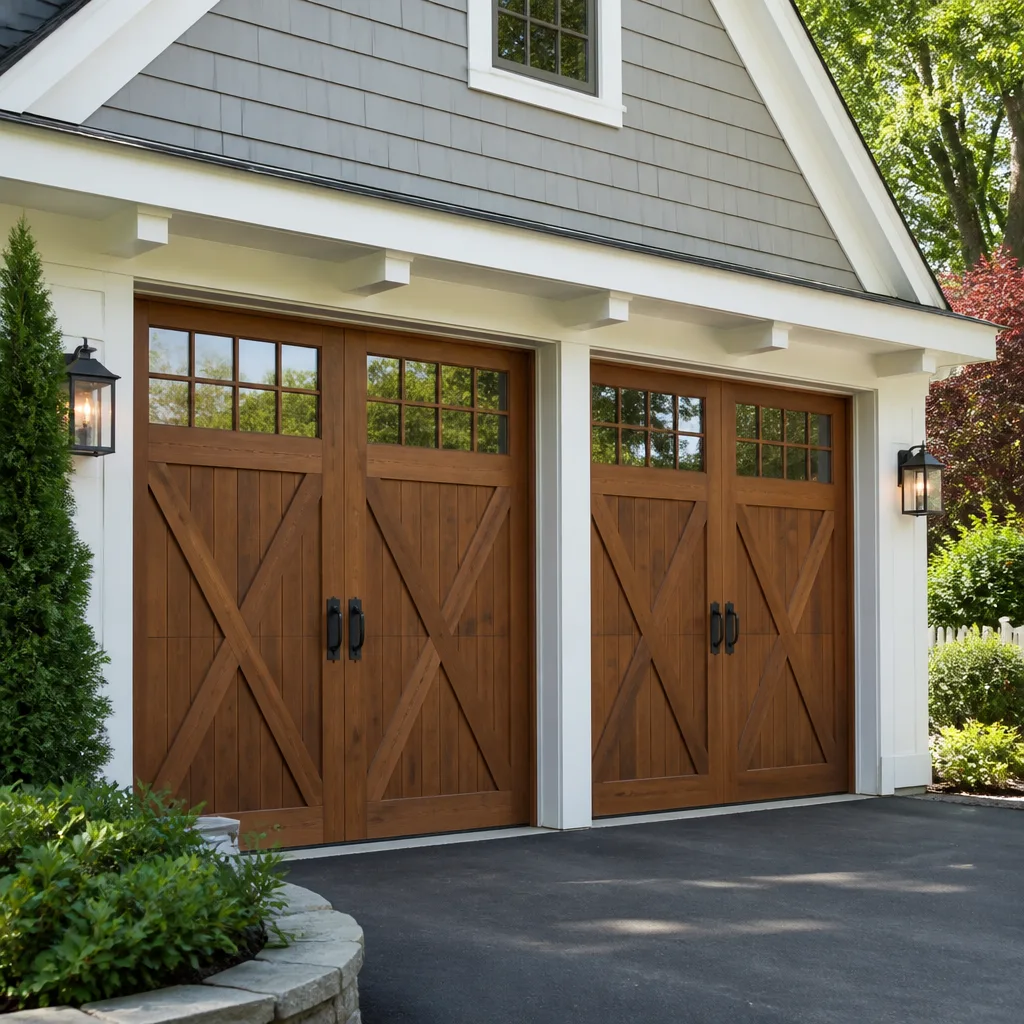 Carriage house
 Modern flush
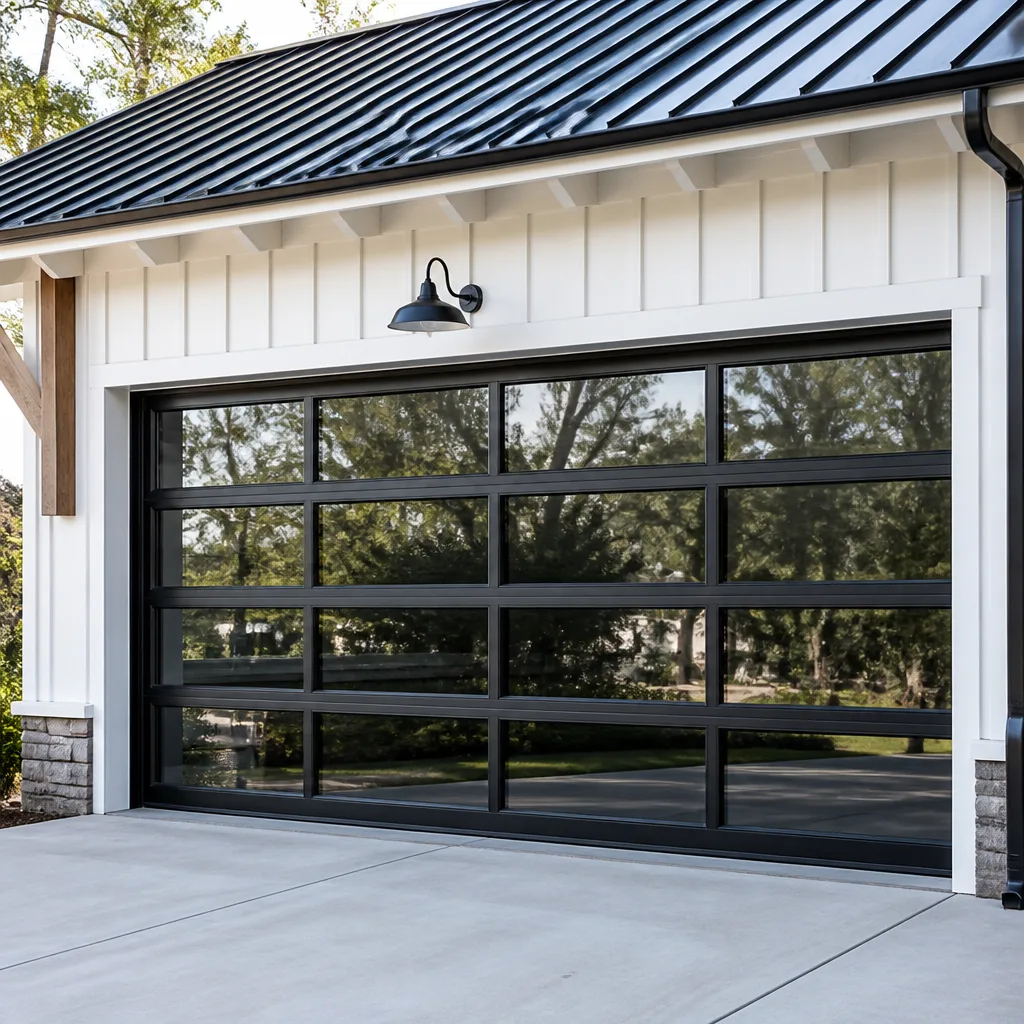 Full-view glass
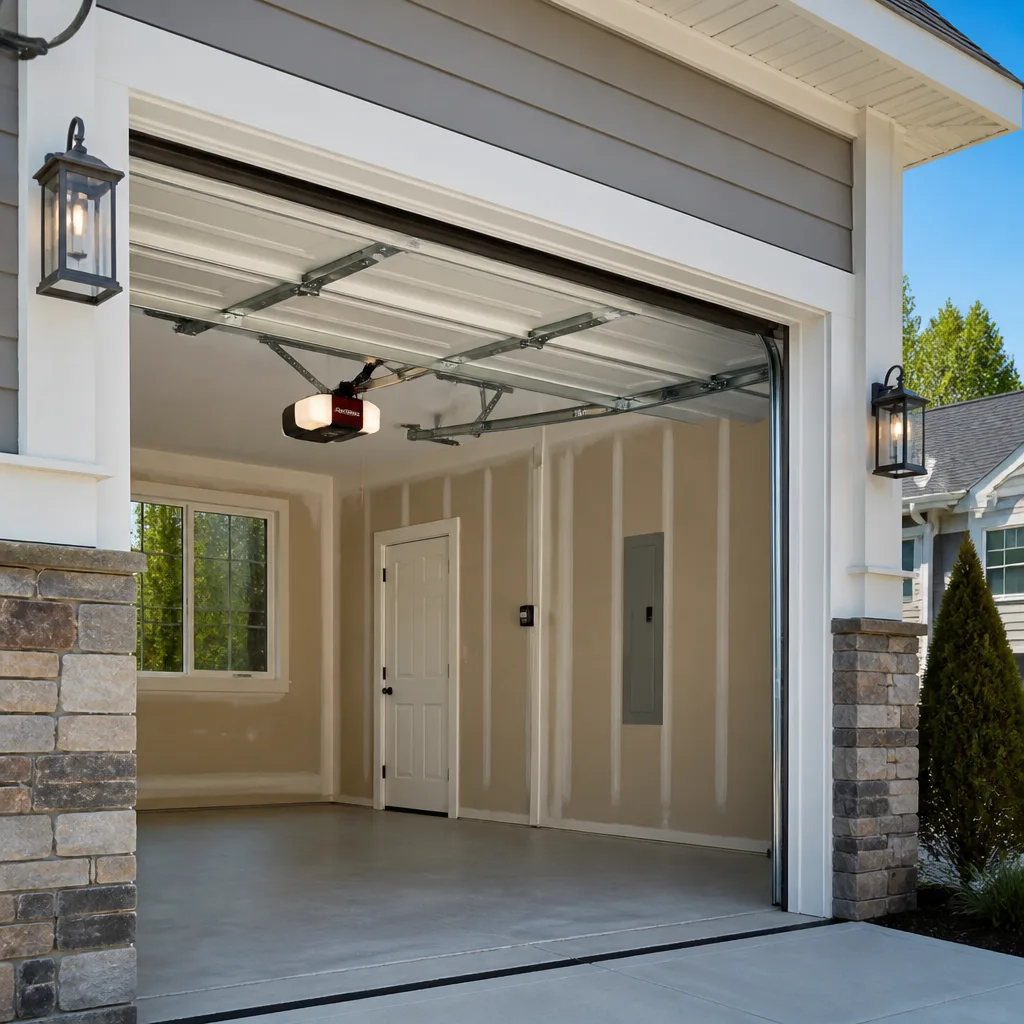 LiftMaster openers
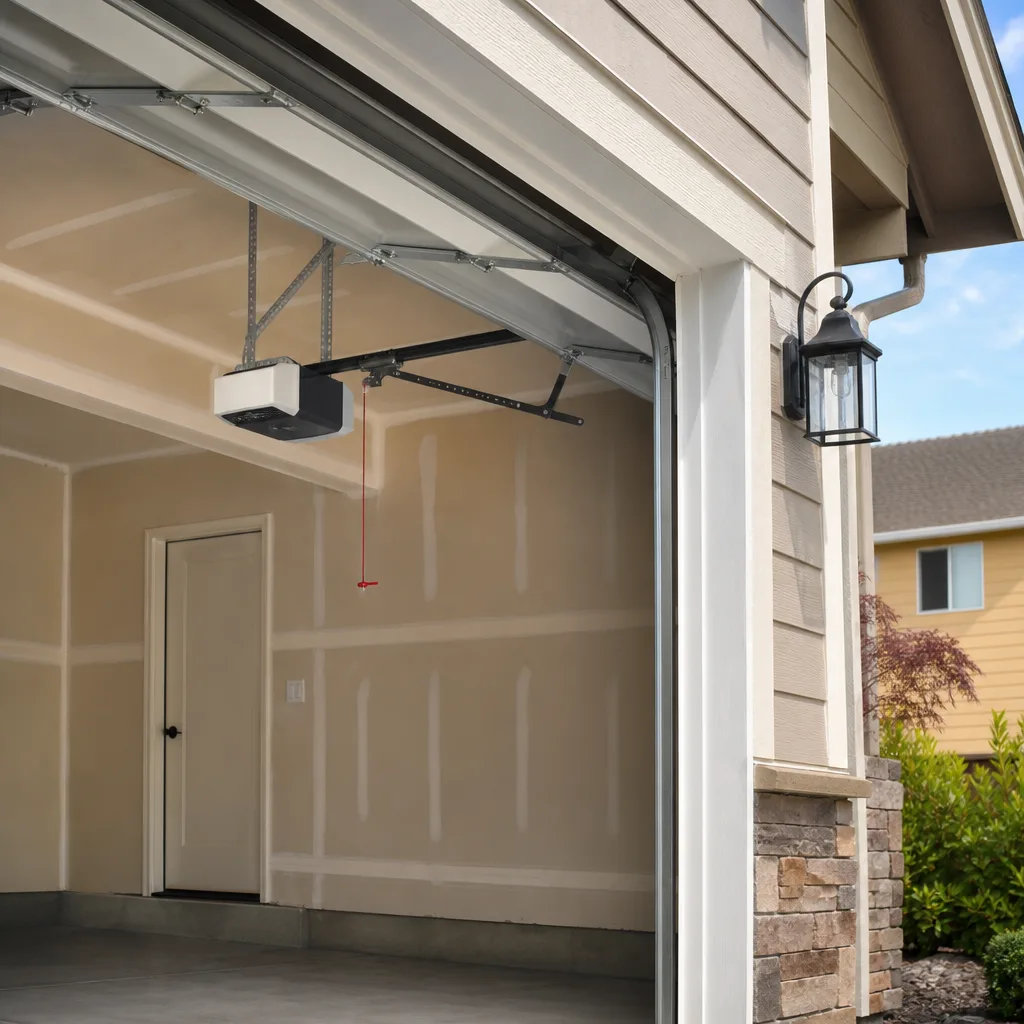 Chamberlain openers
Full 25-point door and opener safety check with every visit - springs, cables, rollers, tracks, and your LiftMaster or Chamberlain opener included
You get a price before we start. It does not change when the truck arrives.
Get your free estimateGarage Door Permits, Codes & Inspections in TX: What You Need to Know
Most homeowners in Houston assume a garage door replacement is a no-permit job. They’re right, most of the time. A standard door-for-door swap on an existing opening rarely triggers a permit in Harris County. But widen that opening, add a new opener, or touch the structural header above the door, and you’ve crossed into regulated territory, and an unpermitted modification discovered at resale can stall a closing for weeks while you pay double to pull the permit retroactively. This guide draws the exact line between what requires a permit and what doesn’t, walks through windstorm certification for coastal ZIP codes, and explains what your insurance company will look for if a storm tears through your neighborhood. For Garage Door Warning Signs: A Houston Homeowner’s Reference Guide and other help, see our blog.
Quick Answer
In Houston and unincorporated Harris County, a standard garage door replacement using the existing opening and existing opener typically requires no permit. A permit becomes necessary when you modify the structural opening, replace the header, install a new electrical circuit for an opener, or live in a coastal windstorm zone where TDI windstorm certification applies to the door itself. When a permit is pulled, the work ends with an inspection and a Certificate of Compliance, which protects you at resale and during insurance claims. Our Garage Door Repair Maintenance Checklist for Houston Homeowners covers what to watch for between inspections.
Styles & brands we work with
Table of Contents
- When a Garage Door Permit Is Actually Required in Texas
- Door-for-Door Replacement: The No-Permit Zone
- Harris County and City of Houston Code Triggers
- Texas Windstorm Certification: TDI Form WPI-8 and Coastal Houston
- Insurance Claims and Unpermitted Work: What Gets Flagged
- Certificate of Compliance: What It Is and Why Buyers Care
- The HOA Overlay: Deed Restrictions vs. Municipal Permits
- What the Inspection Process Actually Looks Like
When a Garage Door Permit Is Actually Required in Texas
Texas leaves building code enforcement to local jurisdictions, which means the answer to “do I need a permit for a garage door?” depends on your specific address. One side of a street in Houston can fall under City of Houston code while the other side sits in unincorporated Harris County with a different set of rules. In practice, both jurisdictions follow the same general logic: permits are about structural safety and electrical work, not about the door panel itself.
A garage door permit in Texas is required when any of the following conditions apply:
- The opening is being enlarged or reshaped. Cutting into brick, siding, or framing to widen a single door into a double door is a structural alteration. The header beam above the opening carries roof and wall loads, and changing it requires engineering and inspection.
- The header is being replaced or reinforced. If your existing header shows signs of sagging, cracking, or termite damage and a contractor proposes replacing it, that’s a structural change and a permit is mandatory, not optional.
- New electrical work is involved. Installing a garage door opener where none existed before means running a new circuit from the panel or adding an outlet to the ceiling. New electrical circuits require an electrical permit in Houston and most of Harris County.
- The door is located in a designated windstorm zone. Coastal areas of Harris County fall under Texas Department of Insurance windstorm requirements, and the door itself must be certified to specific wind pressure ratings.
- You’re changing from a swing-out carriage door to an overhead door. This converts wall space into a track system and alters how loads transfer to the structure.
We regularly get calls from homeowners in Houston’s older neighborhoods like the Heights, Montrose, and Garden Oaks where original single-car garage openings are being converted to double doors as part of a remodel. Those jobs almost always require permits because the structural header spans a longer distance. The permit fee is a fraction of the cost of fixing an unpermitted header that fails.
Door-for-Door Replacement: The No-Permit Zone
If you’re replacing an existing garage door panel with a new one of the same size, in the same opening, using the same track configuration and the same opener, you do not need a permit in Houston or unincorporated Harris County. This is the situation for probably eighty percent of the garage door jobs we perform at Brock Garage Doors Houston home. The existing structure was approved when the house was built. You’re swapping a component, not modifying the building.
This no-permit zone covers:
- Replacing a sectional steel door with another sectional steel door of the same width and height
- Swapping a door from one manufacturer to another, such as a Clopay door replacing a Wayne Dalton, when dimensions match
- Replacing the torsion springs, cables, rollers, and hinges as part of a repair, not a structural change
- Installing a new opener where an opener already exists and the electrical outlet is already in place
The key word is “same.” Same opening dimensions, same header, same electrical. Change any of those and the job moves from maintenance into modification, and modification is where permits live.
Harris County and City of Houston Code Triggers
Harris County and the City of Houston both adopt versions of the International Residential Code (IRC) and International Building Code (IBC), with local amendments. The thresholds that matter for garage doors are consistent between the two: structural alterations and new electrical circuits. Here’s what that means in plain English for a Houston homeowner.
In City of Houston limits: The Houston Permitting Center enforces residential code. A permit is required for structural work that alters load-bearing elements. Replacing a garage door panel does not qualify. Modifying the opening, replacing the header, or adding structural supports does.
In unincorporated Harris County: Harris County Engineering Department permits residential work in the county’s unincorporated areas. The same structural trigger applies. Electrical permits for new opener circuits are handled through Harris County’s electrical inspection program.
The electrical trigger: This is the one that surprises people. You buy a new LiftMaster opener to replace a twenty-year-old Chamberlain. The existing outlet is in the ceiling. You’re fine, no permit. But if your 1950s house in Bellaire or Spring Branch has no outlet near the opener location and an electrician has to run a new circuit, that’s a permitted electrical job. The garage door installer can mount the opener, but the circuit itself needs an electrical permit and inspection.
Our technicians at Garage Door Opener Repair in Houston see this all the time in older homes. The door is fine. The opener is fifteen years old and the homeowner wants a belt-drive LiftMaster with battery backup. No permit needed unless the wiring changes. If the wiring changes, we tell the homeowner before the first day of work, so there’s no surprise inspection stop.
Texas Windstorm Certification: TDI Form WPI-8 and Coastal Houston
Texas has a unique requirement that most other states don’t: windstorm certification. The Texas Department of Insurance designates certain areas along the Gulf Coast as windstorm zones, and buildings in those zones must use products certified to withstand specific wind pressures. For garage doors, this certification is documented on TDI Form WPI-8.
Here’s what a Houston homeowner needs to know:
- Where it applies: TDI windstorm certification applies primarily to addresses in the designated catastrophe area along the coast. In the Houston region, this includes parts of Galveston County, Brazoria County, and certain near-coastal ZIP codes. Most of inland Harris County, including downtown Houston, the Heights, Katy, Cypress, and Spring, is outside the mandatory windstorm zone, but always verify with your insurer.
- What WPI-8 covers: The form certifies that the garage door model you’re installing has been tested and approved for wind pressure resistance. Not every door is windstorm-certified. A standard non-rated door installed in a windstorm zone is a code violation.
- The door cost difference: Windstorm-certified doors cost more. A non-rated 16×7 steel garage door might run $1,200 to $1,800 installed. A windstorm-rated version from Clopay or Amarr typically adds $400 to $900, depending on the wind pressure rating and whether impact-resistant glazing is included.
- Who verifies compliance: When a windstorm-certified door is installed, a Texas-licensed inspector verifies the installation and the WPI-8 form is filed with TDI. Without that filing, the certification doesn’t exist, even if the door itself is a certified model.
If you’re in a Houston-area ZIP code near the coast, here’s the rough windstorm certification workflow:
- Determine if your address falls within the TDI-designated windstorm zone. Your insurance agent can confirm this in minutes.
- Select a garage door model that carries the required wind pressure rating for your zone.
- Have the door installed by a company that documents the installation for WPI-8 purposes.
- Schedule the TDI inspection.
- Receive the filed WPI-8 certification confirming the door complies.
Windstorm certification is one area where we tell Houston homeowners not to guess. The wrong door in a windstorm zone means failing inspection, and in a storm, a non-compliant door is often the first point of failure.
Insurance Claims and Unpermitted Work: What Gets Flagged
Here’s the scenario that costs people real money: a hurricane or severe wind event hits the Houston area. The garage door fails or gets torn off. You file a claim. The adjuster reviews the damage and starts asking questions. When was the door installed? Was it permitted? Was it windstorm-certified?
If the answer is that the door was installed without a permit in a situation that required one, or without windstorm certification in a designated zone, the claim gets complicated. Insurers are not obligated to cover damages caused by work that was performed illegally or that failed to meet code at the time of installation. In some cases the claim is denied outright. In others, coverage is reduced to what a code-compliant door would have cost, leaving you to eat the difference.
What insurers typically check after a wind or impact event:
- Was the door installation permitted, if a permit was required?
- Does the WPI-8 certification exist and is it filed with TDI, for coastal addresses?
- Did the door meet the wind load requirements in effect at the time of installation?
- Is there documentation of the installer, the door model, and the date of installation?
For a Houston homeowner, this means keeping a file. When you replace a garage door, keep the receipt, the door model number, the installer’s name, and any permit or inspection records. If you’re in a coastal ZIP code, keep the WPI-8. Five years from now, when a storm rolls through and the adjuster asks, you’ll have the answer instead of a problem.
Certificate of Compliance: What It Is and Why Buyers Care
A Certificate of Compliance is the document issued by the building department or inspection authority after a permitted job passes final inspection. For a garage door project that required a permit, the Certificate of Compliance says the work was done to code and approved by the jurisdiction.
Why does this document matter years later, when you’re selling the house?
Title searches can uncover unpermitted work. If a previous owner modified the garage opening without a permit, the unpermitted condition can become a title issue. The buyer’s title company may flag it, the lender may require resolution before closing, and suddenly a straightforward sale has a three-week delay while you pull a retroactive permit, pay penalties, and schedule an inspection.
Buyers may not ask for the certificate, but their inspectors will look for evidence of code compliance. A home inspector noting “garage opening appears modified; no permit record found” is a red flag that gives the buyer leverage to demand a price reduction or a repair escrow.
Requesting a Certificate of Compliance after a permitted garage door installation is straightforward:
- After the inspector signs off on the final inspection, request a Certificate of Compliance from the permitting office.
- In City of Houston, this is handled through the Houston Permitting Center’s records department.
- In unincorporated Harris County, contact Harris County Engineering’s permit division.
- Keep the original with your home records and provide a copy to the buyer at closing.
We’ve seen Houston home sales delayed over exactly this issue. The fix is usually a few hundred dollars in permit fees and a re-inspection, but the delay is what costs the seller. Having the Certificate of Compliance in hand before you list eliminates the problem entirely.
The HOA Overlay: Deed Restrictions vs. Municipal Permits
A common misunderstanding among Houston homeowners is that HOA approval and a city permit are the same thing. They are not. They’re two separate approvals from two separate authorities, and getting one does not satisfy the other.
Municipal permits come from the City of Houston, Harris County, or your local building department. They regulate safety, structure, and electrical code. The permit process is about making sure the work won’t fall down or catch fire.
HOA approvals come from your homeowners association under the deed restrictions attached to your property. They regulate appearance, materials, color, and sometimes even the style of the garage door. An HOA can require a specific door color or a sectional door instead of a roll-up, regardless of what the city permits.
How they interact:
- An HOA cannot waive a municipal permit requirement. If the city says the work needs a permit, the HOA’s approval means nothing to the building department.
- A municipal permit does not satisfy an HOA architectural review requirement. The city doesn’t care if your door matches the deed restrictions. The HOA does.
- Changing a garage door color in an HOA community without architectural approval can result in fines, even though no city permit was required.
- Some HOAs require design review for any garage door replacement, even a door-for-door swap, because they regulate curb appeal.
In practice, the sequence that works for Houston homeowners in HOA communities is: check HOA requirements first, then determine if a municipal permit is needed, then schedule the work. Doing it in that order means you don’t pick a door the HOA will reject or discover a permit requirement after the installers are booked.
What the Inspection Process Actually Looks Like
If your garage door job requires a permit, the inspection process is generally not complicated, but it helps to know what to expect. Here’s the typical workflow in Houston and Harris County:
- Permit application. Your contractor or you file a permit application with the City of Houston Permitting Center or Harris County Engineering. The application includes a description of the work, a site plan if needed, and the door specifications.
- Plan review. For structural modifications, the building department reviews the plans. This can take a few days to a couple of weeks, depending on the jurisdiction’s workload.
- Permit issuance. Once approved, the permit is issued and the work can begin. The permit fee is typically $75 to $350, depending on the scope of work and jurisdiction.
- Rough inspection. For structural work, the inspector may need to see the framing and header before the wall is closed up. This is the inspection that most often gets missed by homeowners doing the work themselves.
- Final inspection. After the door is installed and any electrical work is complete, the inspector verifies the work matches the approved plans and meets code. For windstorm zones, the TDI inspection is separate from the municipal inspection.
- Certificate of Compliance. After the final inspection passes, the certificate is issued. Keep it with your home documents.
The entire process for a straightforward permitted garage door job in Houston typically takes two to four weeks, including plan review and inspections. A standard door-for-door replacement, by contrast, is done in a day. That’s the tradeoff: permits add time and cost, but they exist because the work touches the structural integrity of your house.
Common Mistakes to Avoid
- Assuming all garage door work is permit-free. Door-for-door replacement is, in most cases. Anything involving the structure or new electrical is not. Finding out after the fact costs double or triple what the permit would have cost.
- Ignoring windstorm certification in coastal ZIP codes. A non-rated door installed in a TDI windstorm zone is a code violation and a future insurance problem. Houston homeowners near the coast need to verify their address against the TDI map before selecting a door.
- Believing HOA approval equals city approval. These are separate processes from separate authorities. Satisfying one does nothing for the other.
- Running a new opener circuit without an electrical permit. The opener itself is not the issue; the new circuit is. An electrical inspector can flag unpermitted work during any future inspection, and it shows up at resale.
- Failing to keep installation documentation. Without a receipt, door model number, and installer name, proving code compliance after a storm or at resale becomes a paperwork fight you’ll lose.
- Widening a garage opening without engineering review. Cutting a wider opening changes header loads. A header sized for a nine-foot span cannot carry a sixteen-foot span. This is the most dangerous unpermitted garage door modification, and Houston homes built in the 1960s and 1970s often have undersized headers to begin with.
See the difference
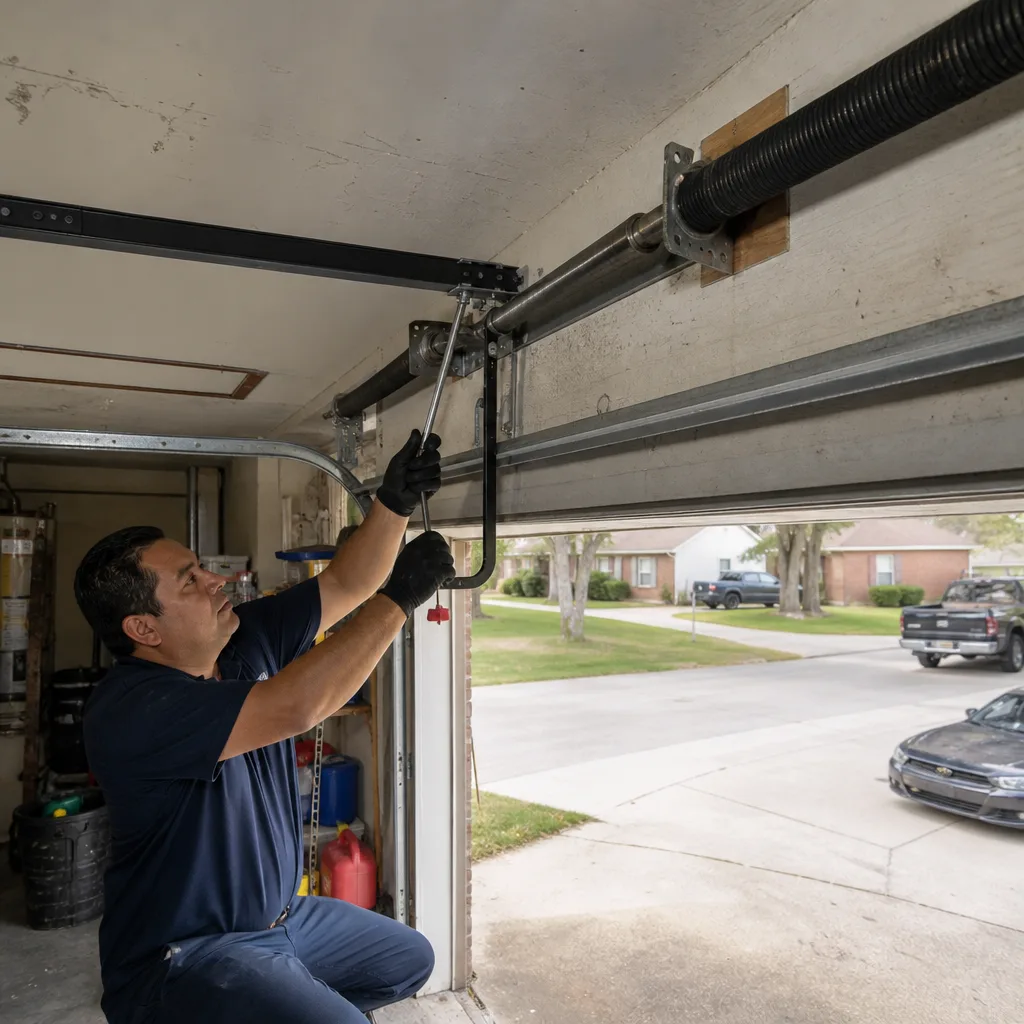 Before
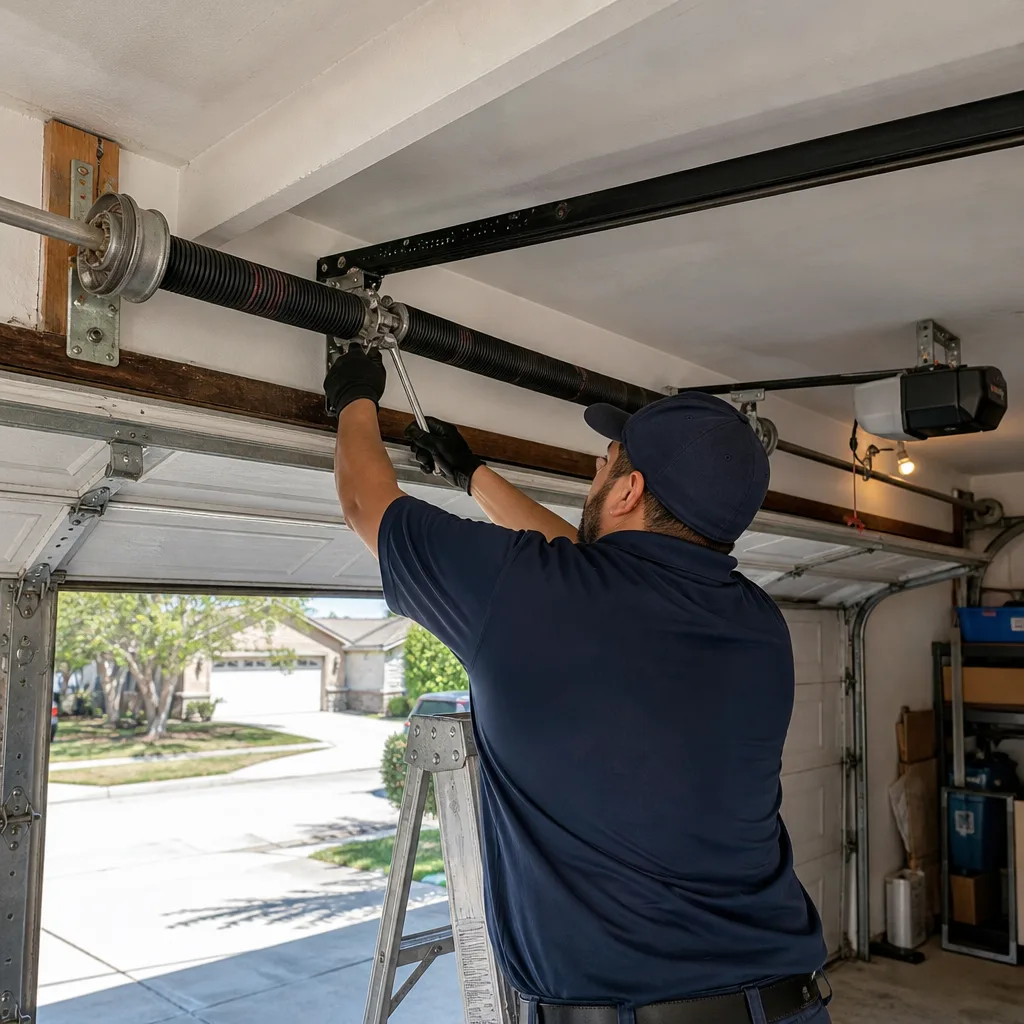 After
After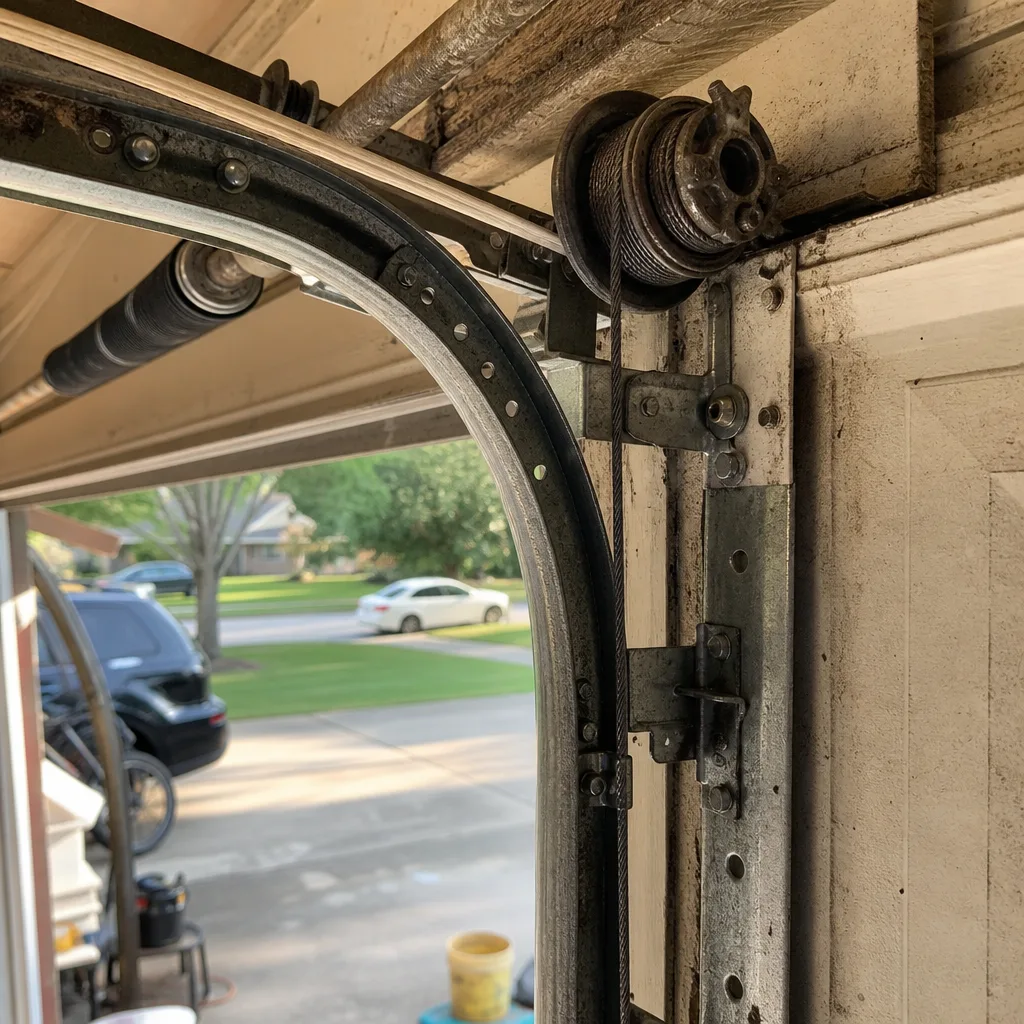 Before
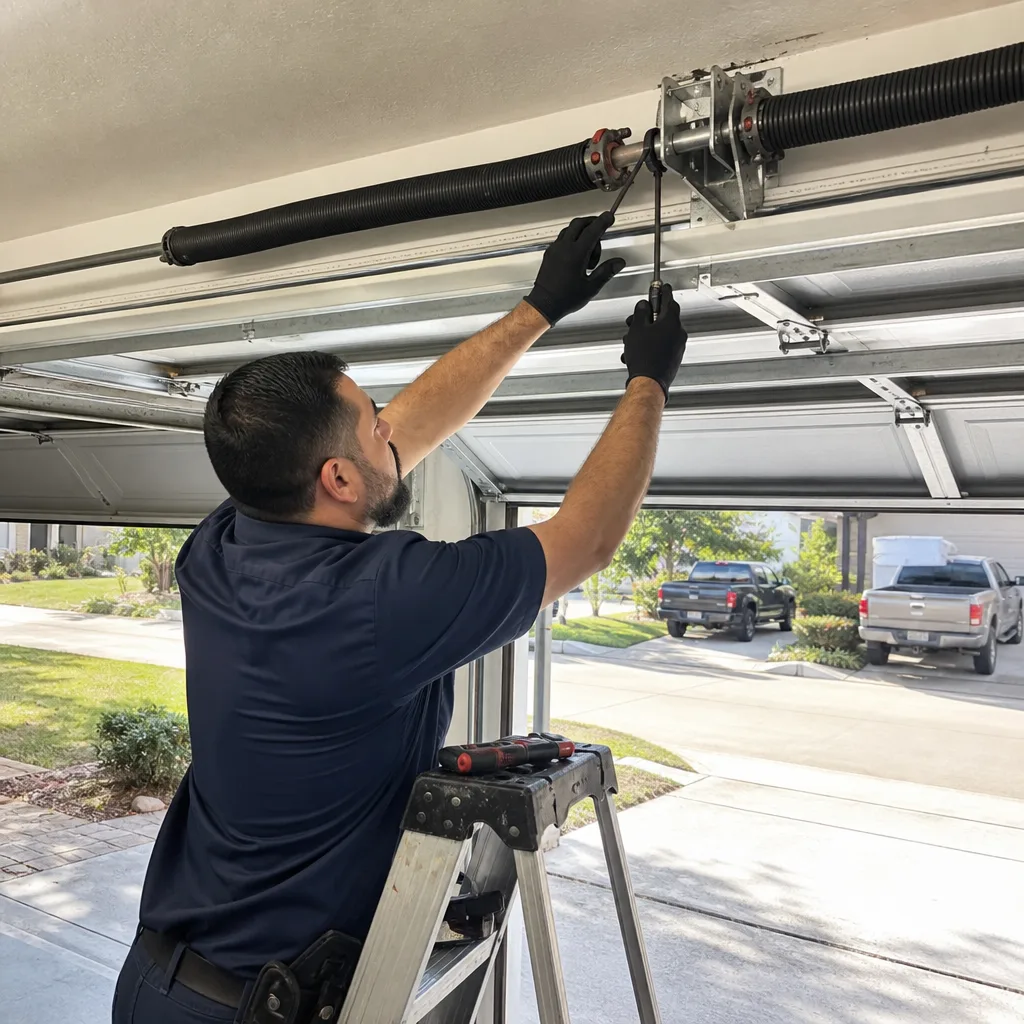 After
After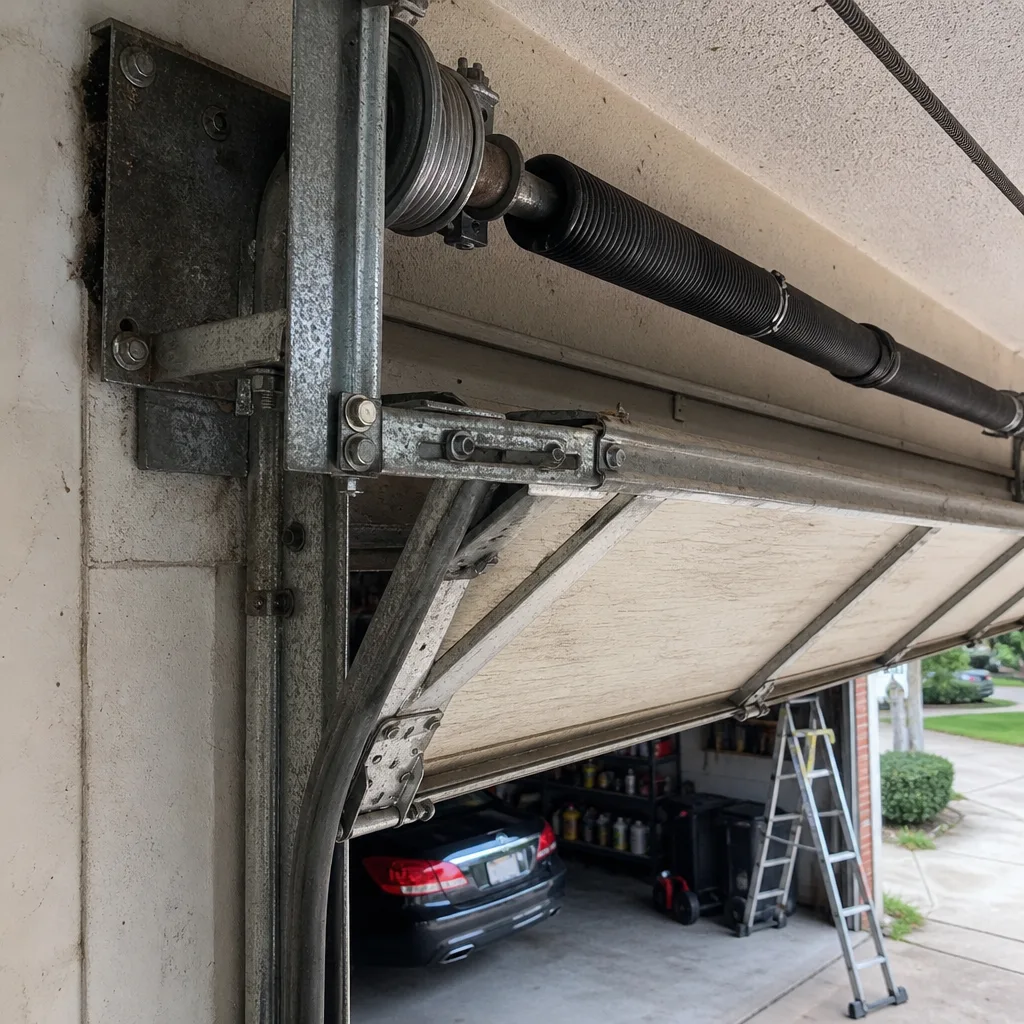 Before
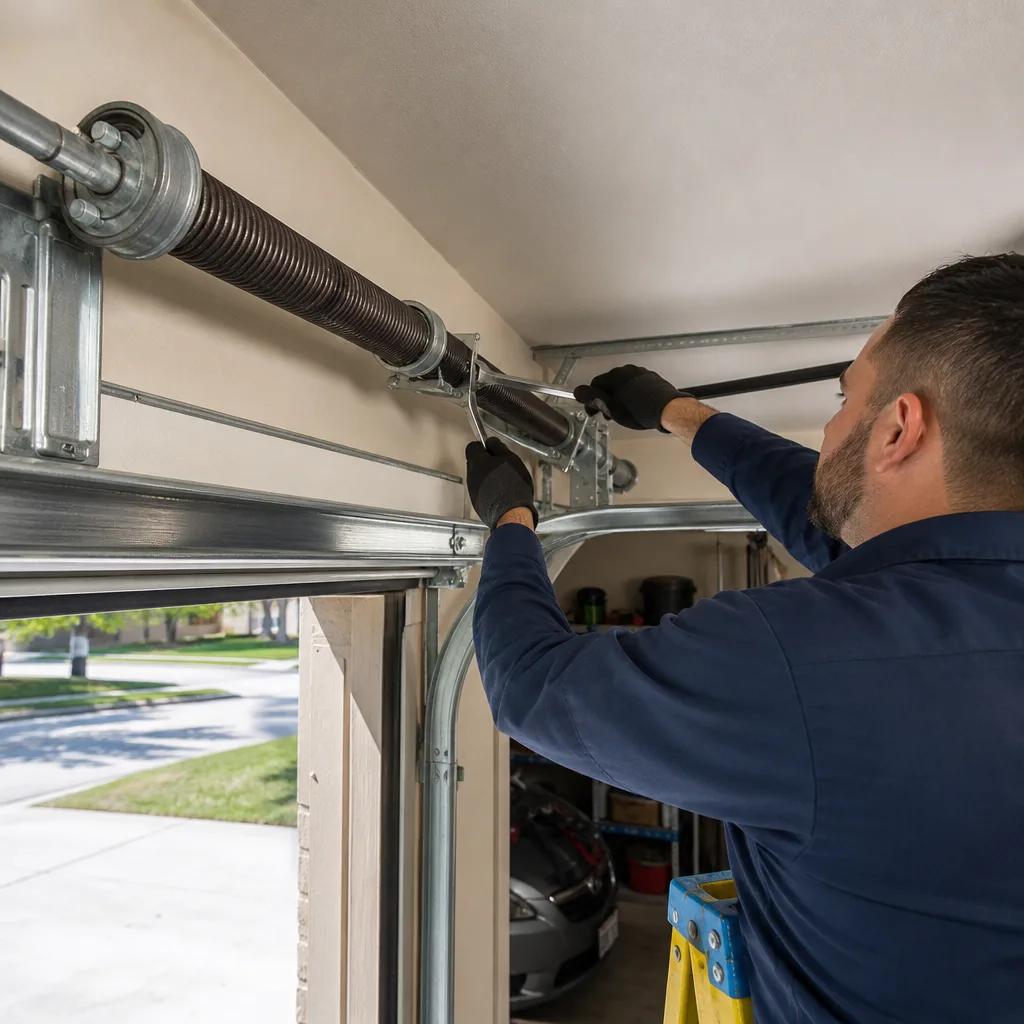 After
AfterWhen to Call a Professional
You don’t need a permit or an engineer for a standard door-for-door replacement. You do need a professional who knows Houston code and won’t guess. Call a licensed garage door company when you’re planning structural changes, when the windstorm question applies to your address, when new electrical wiring is involved, or when you’re not sure whether a permit is required. Garage Door Repair in Houston gives you a straight answer on permitting before a single tool comes off the truck. Garage Door Cable Repair in Houston is the same: upfront, written, code-aware. Brock Garage Doors Houston offers free estimates in Houston – call (325) 308-2009 and a live person will answer.
Frequently Asked Questions
No, a standard door-for-door replacement using the existing opening, header, and opener does not require a permit in Houston or Harris County. A permit is only required when you modify the structural opening, replace the header, add new electrical wiring, or install in a windstorm zone where TDI certification applies. Call (325) 308-2009 for a free estimate and a straight answer on your specific situation.
Garage door permit fees in Houston and Harris County typically run $75 to $350, depending on the scope of work and whether structural or electrical review is required. Windstorm certification through TDI adds a separate inspection fee. The permit is a fraction of what an unpermitted modification costs to fix at resale.
A WPI-8 form is a Texas Department of Insurance document certifying that a garage door meets windstorm resistance standards for designated coastal zones. You need one only if your Houston-area address falls within the TDI windstorm map. Your insurance agent can confirm your status in minutes.
Yes, an HOA can require architectural review for any garage door change, even a door-for-door replacement, under deed restrictions. HOA approval is separate from a city permit, and one does not satisfy the other.
It may not, if a permit was required and the work was done without one. After a wind or impact event, insurers check for permits, windstorm certification, and installation documentation. Unpermitted work can result in denied or reduced claims.
A permitted garage door job typically takes two to four weeks from permit application to final inspection, including plan review. A standard door-for-door replacement without a permit is completed in a day. Call (325) 308-2009 and we’ll tell you which path applies to your address.
The Bottom Line
Garage door permits in Texas are not a blanket requirement, and most Houston homeowners will never need one for a standard replacement. The line is structural work and new electrical, plus windstorm certification in coastal zones. Knowing which side of the line you’re on before the work starts saves you money at resale, protects your insurance position, and keeps the job code-compliant. When the work does require a permit, the process is manageable, the cost is modest, and the Certificate of Compliance is a document you’ll be glad you have. When in doubt, ask a professional who works in Houston code every day, or browse more guides & resources on our blog.
Written by Wade Mercer, Owner at Brock Garage Doors Houston, serving Houston since 2001.