

Last updated October 16, 2026
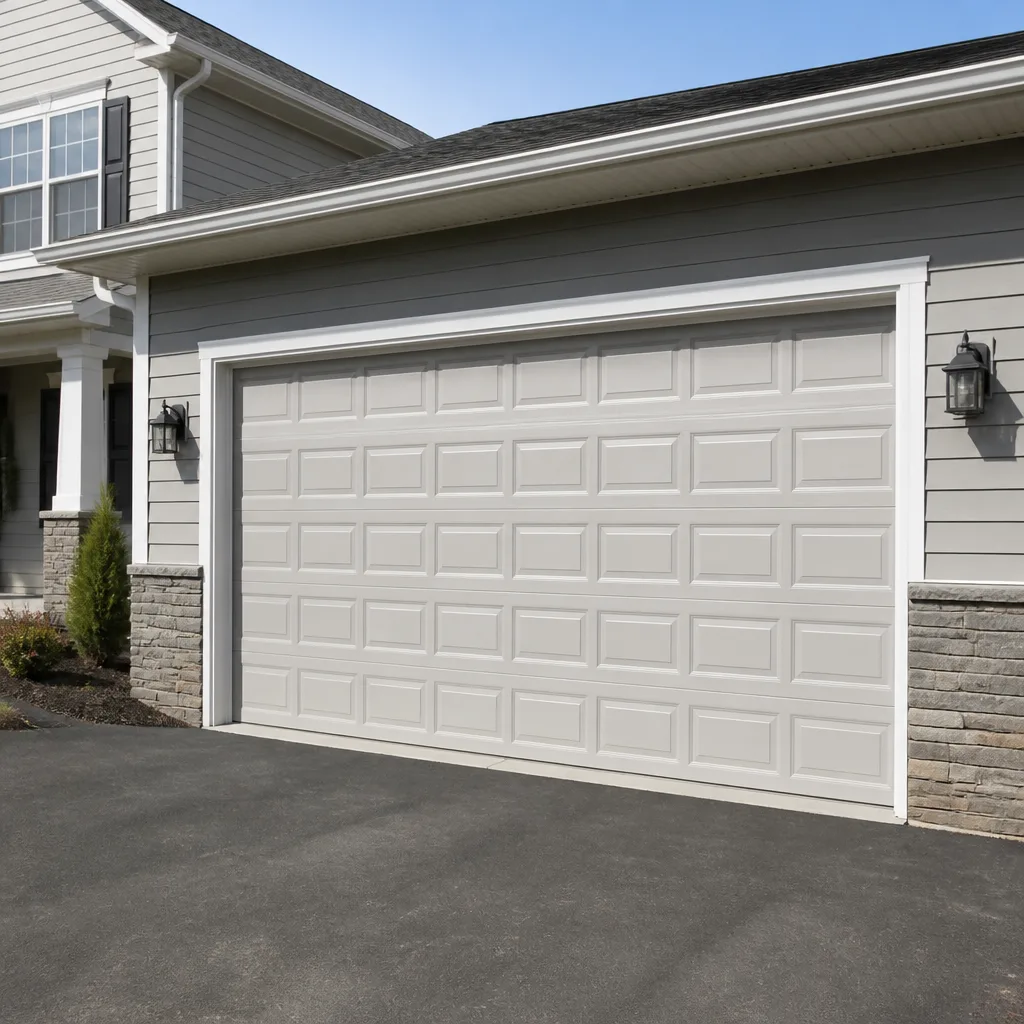 Raised-panel steel
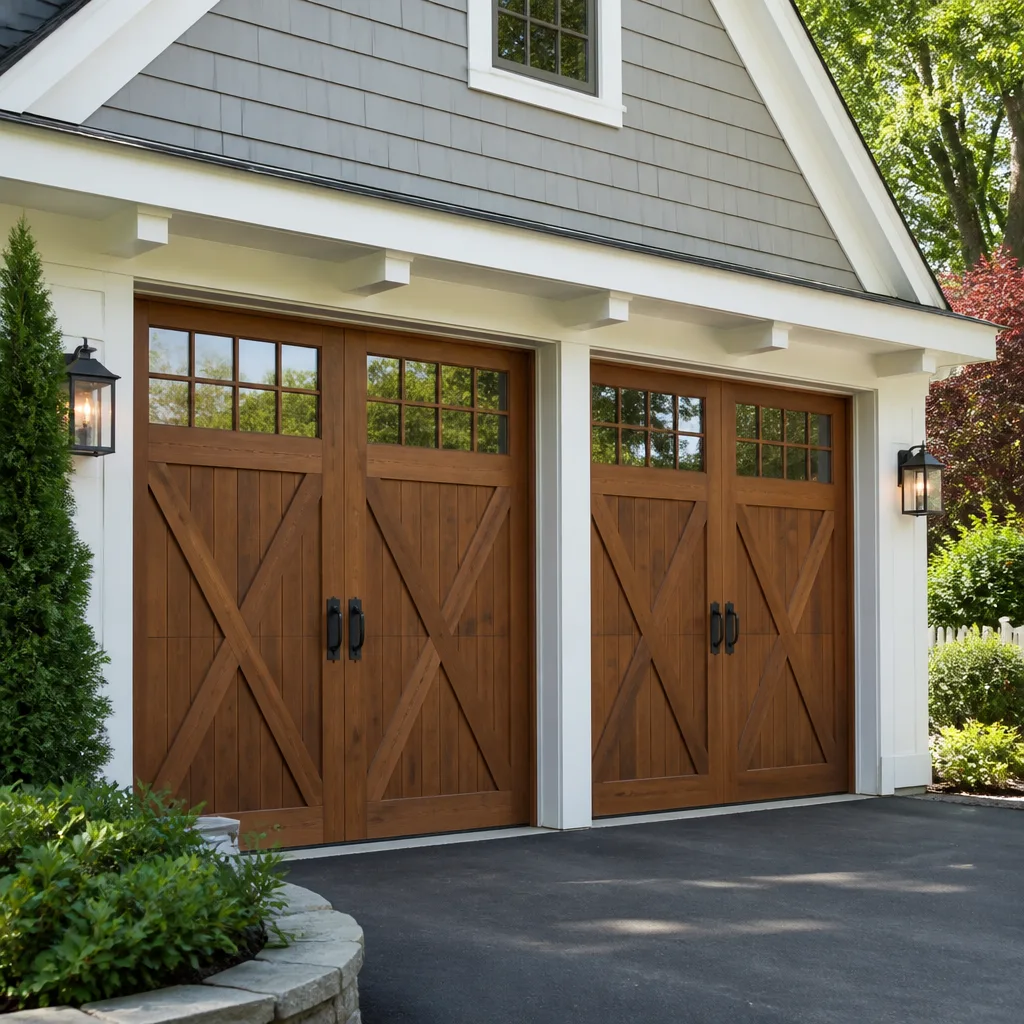 Carriage house
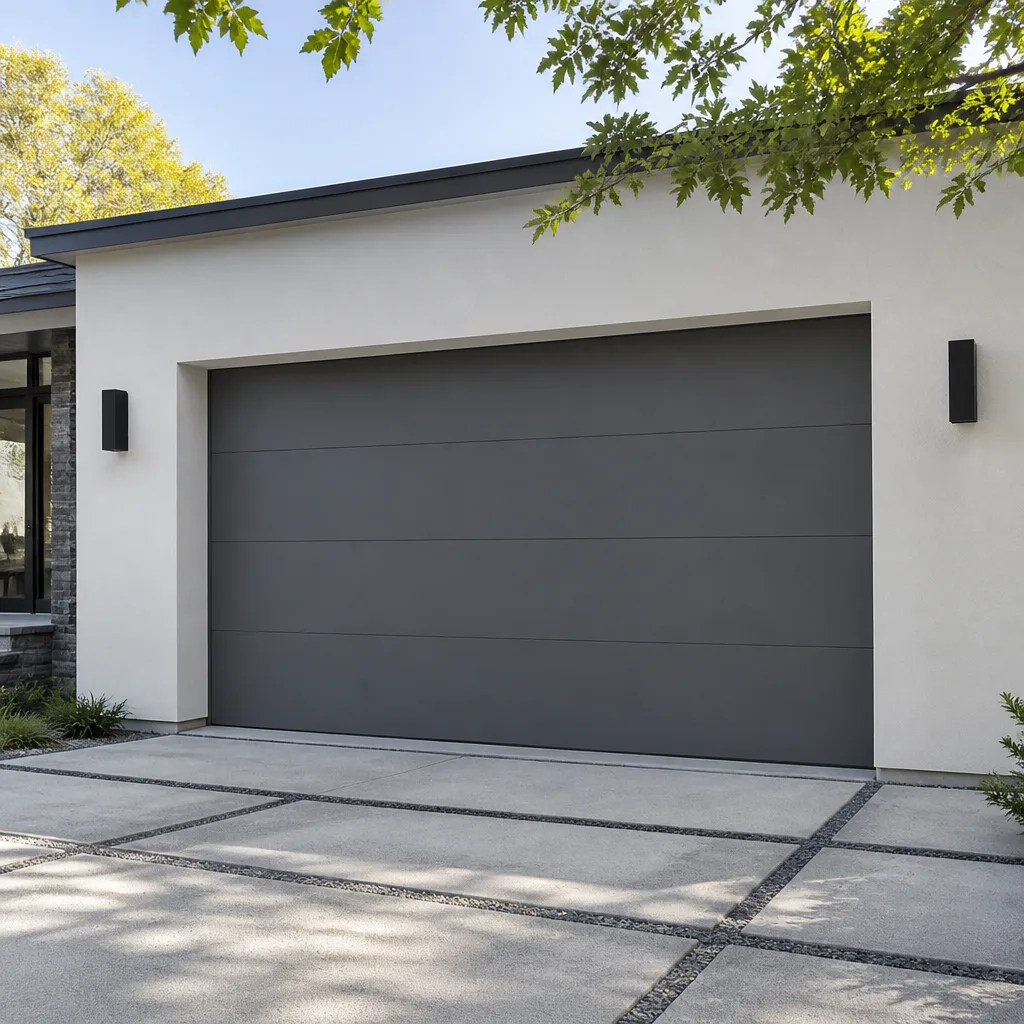 Modern flush
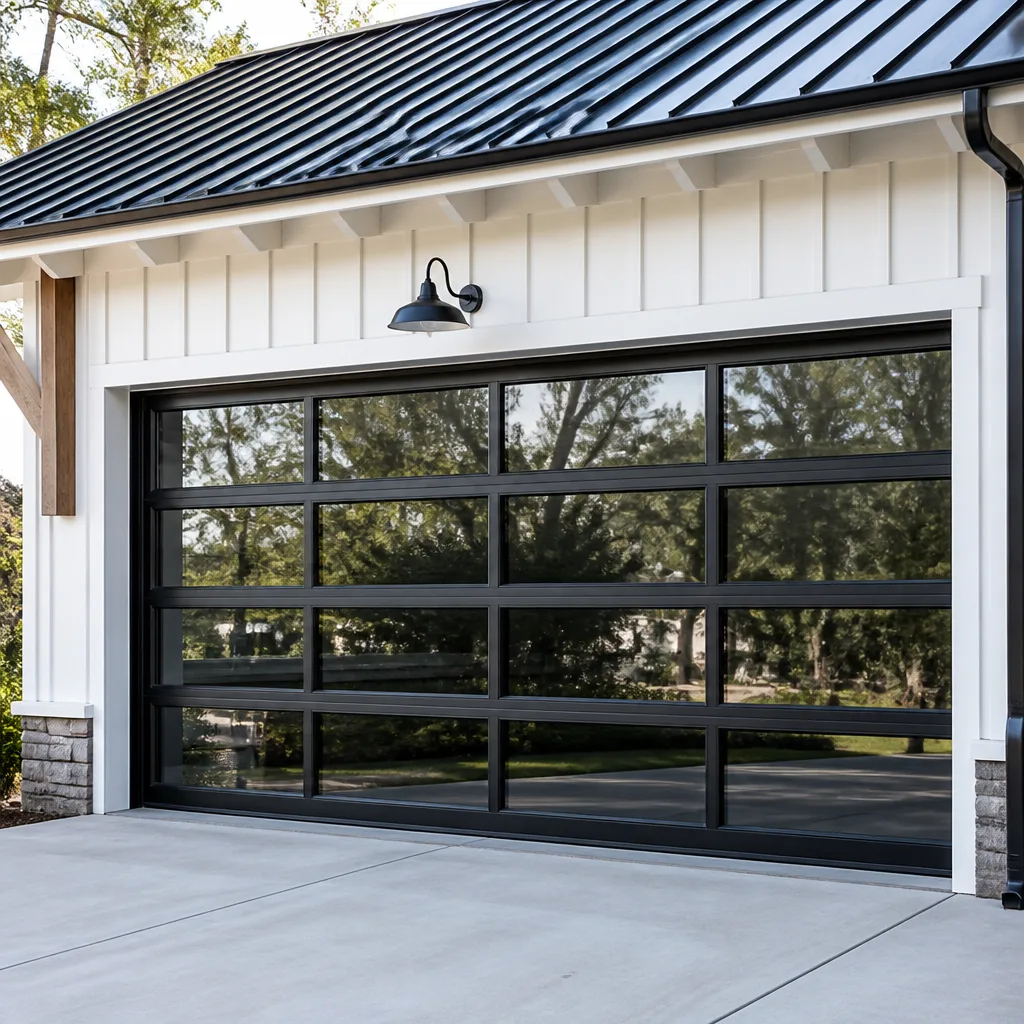 Full-view glass
 LiftMaster openers
 Chamberlain openers
Full 25-point door and opener safety check with every visit - springs, cables, rollers, tracks, and your LiftMaster or Chamberlain opener included
You get a price before we start. It does not change when the truck arrives.
Get your free estimateSeasonal Garage Door Care for Houston: Year-Round Homeowner’s Guide
Lubricating your garage door springs in January in Houston is largely wasted effort. The heat that will destroy that lubrication arrives six months later, which means the work needs to happen in April – not because it’s spring, but because that’s what the temperature data says. Houston doesn’t have four seasons. It has a hot season, a wet season, and a brief window in between where maintenance actually sticks. This guide throws out the calendar-season framework and replaces it with Houston’s real climate rhythm, so you do the right work at the right time, not the month a generic blog tells you to.
Styles & brands we work with
Quick Answer
Seasonal garage door care in Houston means timing maintenance around three realities: extreme heat that degrades lubricants and rubber seals, ground-level flooding that tests bottom seals in ways wind-driven rain never does, and the occasional cold snap that changes metal component tension. The essential schedule is simple: prep before hurricane season in May, run a peak-heat stress check in July, inspect after any storm with sustained winds above 40 mph, and handle cosmetic work plus seal replacement between December and February. Most seasonal maintenance takes under an hour, but skip the spring and cable tension checks if you’re not comfortable working around high-tension components – that part warrants a trained professional.
Table of Contents
- Houston’s Real Climate Rhythm and What It Means for Your Door
- The Houston Garage Door Care Calendar
- Weatherstripping and Bottom Seals: Ground-Level Flood Prep
- Peak-Heat Stress Checks: July Maintenance That Actually Matters
- Spring and Cable Tension During Houston’s Cold Snaps
- Post-Storm Inspection: The 40 mph Threshold
- Documenting Seasonal Maintenance for Warranty Claims
- Common Mistakes to Avoid
- When to Call a Professional
- Frequently Asked Questions
- The Bottom Line
Houston’s Real Climate Rhythm and What It Means for Your Door
Houston’s climate breaks into three functional periods for garage door maintenance. From May through September, daytime highs routinely cross 90°F, and the garage itself runs hotter – often 110°F to 130°F in an uninsulated space. That heat attacks lubricants, rubber seals, and plastic components. From June through November, we get heavy rainfall and the possibility of tropical weather, which means water at ground level, not just wind-driven rain. And from December through February, Houston gets occasional cold fronts that drop temperatures below freezing for a few hours at a time – long enough to change how metal components behave.
Here’s the part most guides miss: the work you do has to match the threat that’s actually coming. A homeowner who lubricates everything in January is prepping for temperatures that won’t stress the door for another four months, and by then the lubricant has thinned and collected dust. A homeowner who replaces weatherstripping in June is working against the clock – the adhesive and the rubber both behave differently in 95°F heat. The calendar below is built on Houston temperature and rainfall patterns, not a national template.
If your door already has a problem – a cable that’s fraying, a spring that’s making noise, an opener that’s struggling – the climate schedule below becomes secondary. Fix the active problem first. Seasonal care prevents failures. It doesn’t repair them.
The Houston Garage Door Care Calendar
Here is the sequence we recommend for Houston homeowners, based on what the climate actually does here. Each window has a specific purpose, and none of them are arbitrary.
Late February to Early March: Post-Winter Assessment
After the last freeze risk has passed, do a full visual inspection. Look at the rollers, hinges, tracks, cables, and springs with the door closed and then again with it open. What you’re checking for: rust that developed during the wet winter, cracks in rubber components from cold-weather contraction, and any changes in how the door sits in the tracks. Houston’s winter is mild compared to most of the country, but a door that sits through repeated temperature swings can still shift.
Run the door through a full open-close cycle and listen. Grinding, squealing, or a change in pitch from the opener motor all mean something. A door that hesitates at any point in its travel has a track or balance issue. Write down what you observe – this becomes the baseline for the rest of the year.
April: Lubrication and Moving Parts
This is when lubrication needs to happen, not January. The heat that breaks down lubricant arrives in May, which means April is the right window to apply fresh lubricant so it’s at full effectiveness when temperatures climb. Use a white lithium grease on metal-to-metal contact points – hinges, roller stems, and the torsion spring. Avoid WD-40; it’s a solvent, not a lubricant, and it’ll strip what little protection is already there.
Lubricate the chain or screw drive on your opener if your model calls for it. Chamberlain and LiftMaster openers generally use belt or chain drives that need light lubrication, while Genie screw drives have their own requirements. Check your manual, or call a professional if you’re unsure which product to use on your specific system.
May: Pre-Hurricane-Season Prep
Hurricane season officially starts June 1, but the prep needs to happen in May. This is when you test every component under load and make sure the door can handle sustained wind and heavy rain. Key items: verify the bottom seal makes full contact with the slab, confirm all track bolts are tight, check that reinforcement struts are in place on double-wide doors, and run the opener through its full force settings. Details on flood prep are in the next section.
July: Peak-Heat Stress Check
Mid-summer inspection details are below in the dedicated heat section. The short version: this is when rubber fails, lubricant breaks down, and opener motors overheat. A 20-minute July inspection catches most of what would become a September breakdown.
October: Post-Storm Inspection
After hurricane season winds down, do a full inspection even if no storm came close to your house. Houston’s summer heat, humidity, and rain have all been working on the door for months. Check rollers for flat spots, hinges for rust, cables for fraying, and the balance of the door. This is also the right time to clean the tracks – built-up grime from a wet summer can cause roller drag. Full post-storm sequence is below.
December through February: Cosmetic and Seal Work
This is Houston’s mild-weather window, and it’s the right time for anything involving adhesives, paint, or seal replacement. Temperatures in the 50s and 60s mean seal adhesive cures properly, paint bonds correctly, and rubber components are flexible enough to install without cracking. Do weatherstripping replacement, bottom seal installation, and any paint touch-up on the door panels during this window. It’s also the least disruptive time to have a technician do more involved work, since the garage isn’t a 120°F oven.
Weatherstripping and Bottom Seals: Ground-Level Flood Prep
Houston’s water threat is different from most cities. We don’t just get wind-driven rain that hits the door face. We get water that rises from the ground – street flooding, yard flooding, and water that pools against the garage slab. That means your bottom seal has to do more than look good in a product photo. It has to actually hold water back when there’s an inch or two standing against the door.
The seal profiles that actually work in Houston are bulb-style and T-style seals that compress fully against the slab. Flat rubber seals and brush seals don’t hold back ground water; they’re designed for keeping leaves and dust out, not for keeping flood water from seeping under the door. If your garage slab has settled or cracked, even the best seal won’t do the job – the water will find the low spot, and you’ll need to address the slab or add a threshold seal.
Here’s what to check before hurricane season:
- Compression: Close the door and look along the bottom from inside. You should not see daylight. If you do, the seal has compressed or the slab has moved.
- Cracking: Houston’s heat dries out rubber. Hairline cracks in the seal mean water will eventually get through. If the seal is more than three years old, replacement is cheap insurance.
- End caps: The two ends of the bottom seal are where water sneaks around. Make sure the seal extends fully to both edges of the door with no gaps.
- Side weatherstripping: The vertical strips along both sides of the door need to make full contact with the door face. Gaps at the bottom corners are common in Houston because the heat warps the strips over time.
Replacement seals are inexpensive – most run $20 to $60 for materials – and installation takes under an hour if you’ve done it before. If the door needs to be lifted to feed the new seal in, have a helper or call someone who does this regularly. A door that has come off its tracks is heavier than most people expect.
Peak-Heat Stress Checks: July Maintenance That Actually Matters
Houston’s July heat is when garage door components fail most often. The garage itself gets hot enough to soften adhesives, thin out lubricants, and push opener motors into thermal overload. In our experience, the majority of broken spring calls we get in August and September involve springs that were already marginal in July and finally gave out under the added thermal stress.
Here’s the July checklist, in order of importance:
- Run the door and listen. New noises in July are rarely harmless. A popping sound from the torsion spring, a grinding from the rollers, or a straining sound from the opener all mean something is wearing faster than it should.
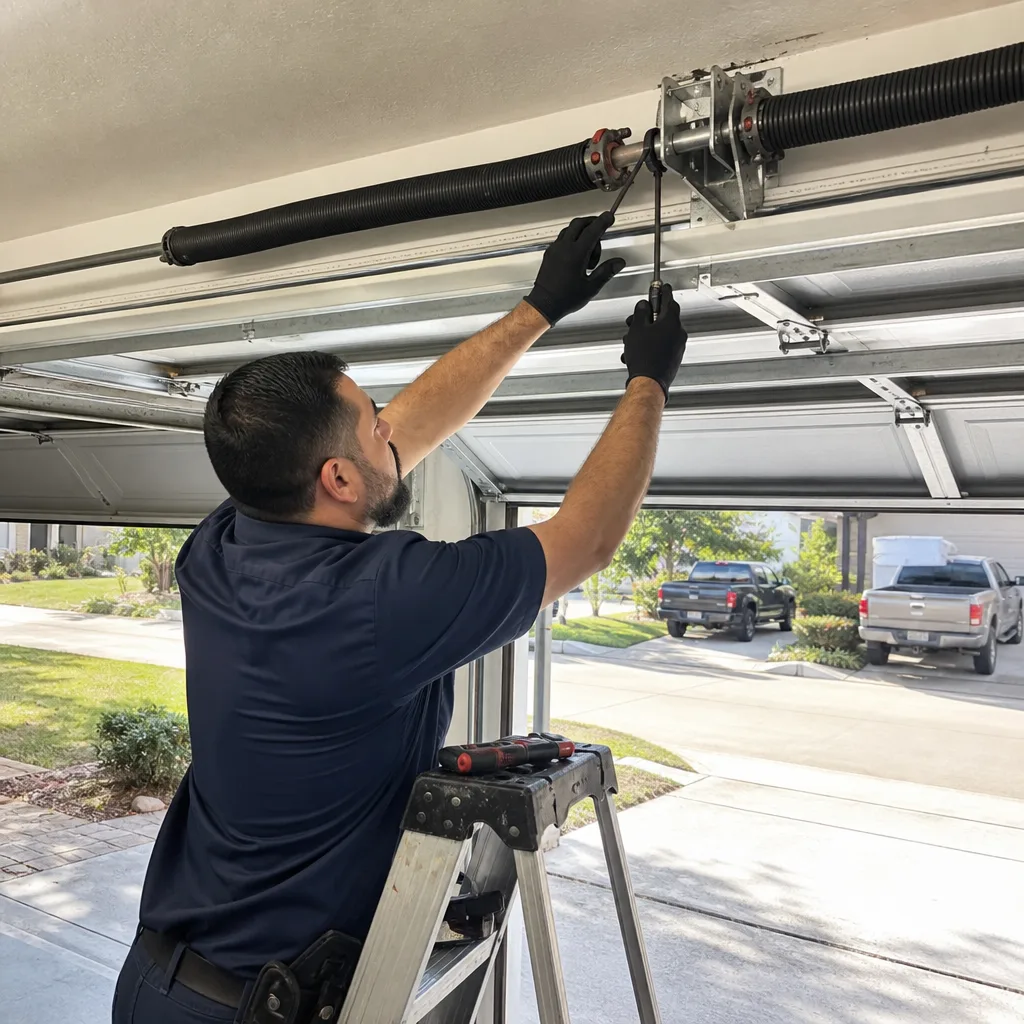
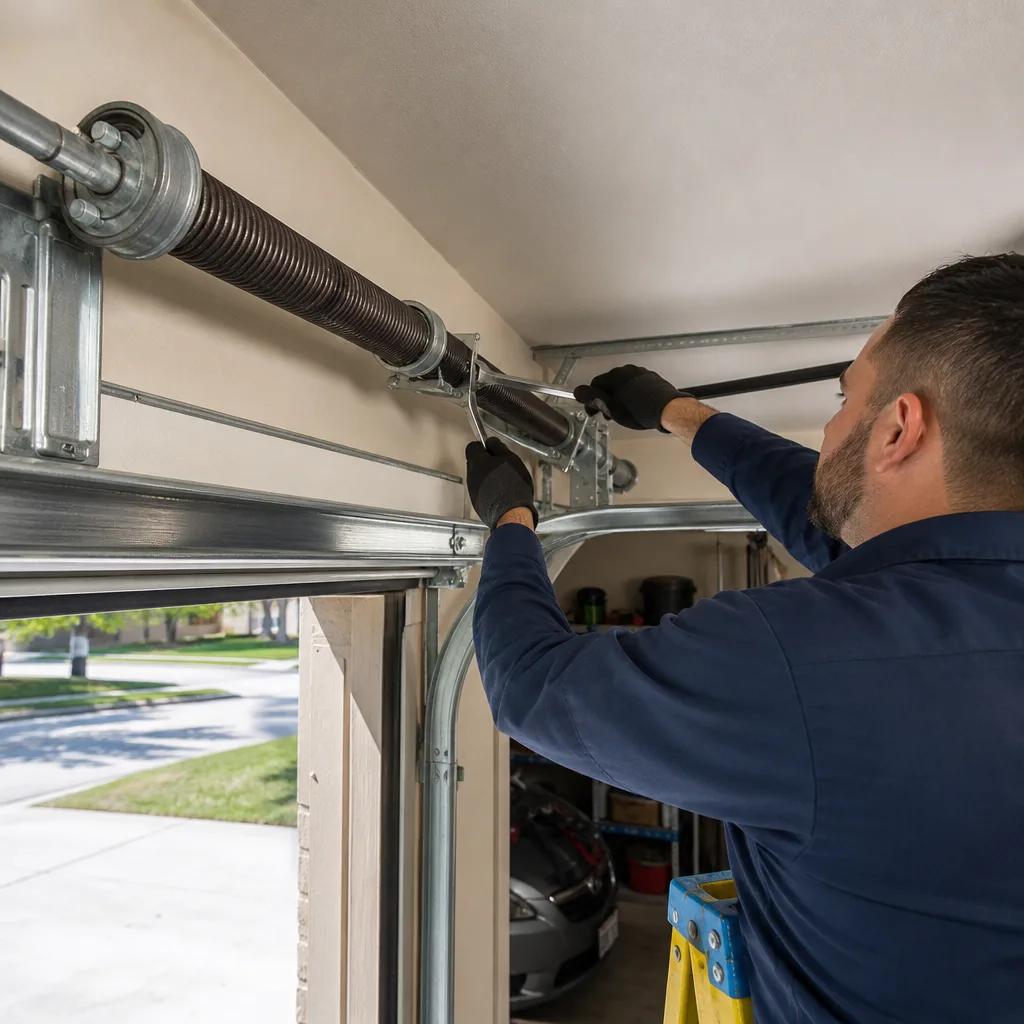
- Check the torsion spring for gaps or separation. The torsion spring is the thick coiled spring mounted above the door that bears most of the lifting load. In Houston’s heat, micro-fractures in the metal can expand. Look for a visible gap in the coil or any sign the spring is losing its shape.
- Test the door balance. Disconnect the opener using the red release handle and lift the door manually. It should stay put at half-height. If it drops, the spring is losing tension. If it rises, the spring is over-tensioned. Either way, that’s a spring issue, and springs under tension are dangerous to work on without training.
- Check the opener’s thermal behavior. If your opener stops mid-cycle on hot afternoons but works fine in the morning, the motor is overheating. This is common with older Chamberlain and LiftMaster units in Houston garages that get afternoon sun exposure. The fix may be as simple as ensuring the motor vents aren’t clogged with dust, or it may mean the motor is nearing the end of its life.
- Inspect rubber and plastic components. Roller wheels with cracked nylon, hinges with cracked bushings, and weatherstripping that has lost its flexibility are all heat-related failures. The July check is when you catch these before the fall.
This is not a checklist that requires special tools. It requires about 20 minutes and a willingness to look closely. What it saves you is the August evening when the door won’t open and the car is stuck inside.
Spring and Cable Tension During Houston’s Cold Snaps
Houston’s cold snaps don’t last long, but they matter for garage door mechanics. Metal contracts as temperature drops, and a torsion spring that’s been carrying tension through a hot Houston summer behaves differently when the garage drops to 35°F at 2 a.m. The spring gets slightly stiffer, which means the door gets slightly harder to lift – and the cables carry slightly more load.
In practical terms, this is when you’ll notice:
- A door that was fine in September feels heavier in January.
- The opener sounds like it’s working harder on cold mornings.
- Cables that were slightly loose in warm weather appear tighter – or worse, show signs of fraying under the added tension.
If your door is properly balanced in warm weather, a Houston cold snap is unlikely to cause a failure on its own. The problem is doors that were already marginal: a spring that lost 10% of its tension over the summer, a cable with a few broken strands, a door that was never balanced correctly in the first place. The cold just pushes those doors over the edge.
Here’s the safety-relevant point: cable and spring inspection during a cold snap means looking at components that are under different tension than they are in July. If you’re not trained to assess spring tension, don’t try to adjust it. When we mention a door feeling heavier in January, that’s information to share with a technician, not a problem to solve yourself. The torsion spring on a standard residential door carries enough stored energy to cause serious injury if it releases unexpectedly. Watching for changes is safe. Adjusting tension is not.
If a cold snap passes and the door continues to feel heavier even after temperatures return to normal, the spring has likely lost tension permanently. That’s a repair call, not a maintenance item.
Post-Storm Inspection: The 40 mph Threshold
Any storm with sustained winds above 40 mph warrants a post-storm inspection, even if your door looks completely fine from the outside. Wind loads press against the door face, and double-wide doors in particular flex under that pressure. The flex can loosen track bolts, shift the door in its tracks, and stretch cables. None of these are visible from the curb.
Here’s the sequence to follow after any significant storm:
- Open and close the door once, watching and listening. Any new hesitation, uneven movement, or noise means something shifted.
- Check all track brackets and bolts. Run a socket wrench over the bolts that hold the vertical and horizontal tracks to the wall. If any have backed off, tighten them. If a bracket has pulled away from the wall, that’s a structural issue – call a professional.
- Inspect the cables on both sides. Look for fraying, kinks, or any sign the cable has jumped its drum. A cable that has slipped will sit higher or lower on the drum than its counterpart.
- Check the bottom seal for storm damage. Debris carried by flood water can tear the seal. A torn seal means water gets in during the next storm.
- Test the opener’s force settings. If the door is harder to move because wind bent something slightly, the opener’s automatic reverse may become inconsistent. Test it by placing a 2×4 flat on the ground under the door and closing it – the door should reverse within a second or two of contact.
- Look at the door panels themselves. Wind-driven debris can dent or crack panels. A cracked panel on a double-wide door is more than cosmetic; it weakens the door’s ability to resist the next wind event.
This inspection takes about 15 minutes, and most of it requires no special tools beyond a socket wrench and a flashlight. If anything in the sequence reveals a problem you can’t identify, that’s the time to call a professional – before the next storm, not after it.
Documenting Seasonal Maintenance for Warranty Claims
Warranty claims get denied for one reason more than any other: lack of records. The manufacturer’s warranty on a Raynor door, a LiftMaster opener, or any other major brand generally requires that the equipment receive reasonable maintenance, and when a claim is filed, the burden of proof falls on you – the homeowner. If you can’t show that seasonal maintenance happened, the manufacturer has a defensible position that neglect caused the failure.
Here’s how to document seasonal maintenance in a way that holds up:
- Use a notebook or a notes app, not memory. After each seasonal check, write down the date, what you inspected, what you found, and what you did. Two sentences is enough.
- Take photos. Photo of the springs and cables, photo of the rollers, photo of the bottom seal. Date-stamped photos are the strongest evidence you can produce.
- Save receipts for any products you use. Lubricants, replacement seals, replacement rollers – the receipt proves you did the work, not just thought about it.
- Keep professional service records too. If a technician works on the door, keep the invoice. It shows both maintenance and that a trained professional was involved when the situation called for one.
- Document storm damage separately. After a major storm, photograph the door even if you see no damage. If a later warranty claim involves wind damage, the post-storm photos establish the timeline.
If you ever do file a claim, the sequence matters. A claim for a broken spring on a Clopay door will go much further if you can show the spring was inspected in March, lubricated in April, and photographed in July. It’s not about proving you never skipped a single month. It’s about showing a pattern of reasonable care. That’s what warranty departments actually look for.
Common Mistakes to Avoid
- Lubricating on a January weekend because a national blog told you to. In Houston, January lubrication means the oil thins and collects dust long before the heat that actually demands protection arrives. April is the right window.
- Spraying WD-40 on the torsion spring. WD-40 is a solvent that strips the lubricant that was already there. White lithium grease is the product for metal-on-metal garage door components.
- Ignoring a door that got heavier after a cold snap. A door that feels heavier in February and doesn’t return to normal in March has a spring problem. Waiting turns a spring replacement into a cable and drum replacement.
- Replacing the bottom seal with whatever’s on the shelf at the hardware store. The flat rubber seal that works fine in Dallas doesn’t hold back Houston’s ground-level water. Get the profile that matches your door and actually compresses against the slab.
- Assuming a door that survived the storm is fine. The failures we see in October are usually rooted in wind loads from a storm in August or September. The door looked fine the day after. The bolts were already backing off.
- Adjusting spring tension yourself after watching a video. Torsion springs carry enough stored energy to cause severe injury. The thing that makes the video look easy is experience, not the spring being easy.
- Doing cosmetic work in July because you have time off. Paint and adhesives in a 120°F Houston garage don’t cure – they fail. Cosmetic and seal work belongs in the December-to-February window.
When to Call a Professional
Seasonal maintenance is doable for most Houston homeowners, but some items cross the line into professional territory. If the torsion spring shows any sign of wear, separation, or loss of tension, that’s not a DIY item – the spring stores enough energy to cause serious injury if it fails during adjustment. The same goes for any cable work: cables run under high tension, and a cable that snaps during adjustment moves fast enough to cut. If the door came off its tracks, if the opener’s logic board is throwing error codes, or if the door is out of balance, get a trained technician involved. Brock Garage Doors Houston offers free estimates in Houston – call (325) 308-2009 and we’ll assess the door, put the price in writing before any work starts, and back the repair with our 365-day written guarantee.
Frequently Asked Questions
Lubricate once per year, in April, so the lubricant is at full effectiveness when Houston’s summer heat arrives. Use white lithium grease on hinges, roller stems, and the torsion spring, and check your opener’s manual for the drive mechanism. Call (325) 308-2009 if you’re not sure which products are right for your specific door.
A seasonal maintenance visit in Houston typically runs $75 to $150 for a full inspection, lubrication, and minor adjustments. Replacement parts – bottom seals, rollers, weatherstripping – run $20 to $60 each for materials when you’re doing the work yourself. If a spring or cable needs replacement, most cable repairs run $150 – $275 depending on cable type and drum condition. Call (325) 308-2009 for an exact quote – estimates are free.
In most cases, yes. A live person answers our phones 24 hours a day, seven days a week, including holidays, and we keep our trucks stocked with the most common springs, cables, rollers, and seals so the repair happens in one trip. Call (325) 308-2009 and we’ll give you a straight answer on timing.
Yes – Houston’s humidity accelerates rust on unprotected metal components and causes wood doors to swell and warp. That’s why the October post-summer inspection matters: it catches rust on hinges and roller stems before it becomes a broken component. It also makes regular lubrication more important here than in drier climates.
No. At Brock Garage Door Repair in Houston, the written price is handed to you before any work starts, and the number on the invoice matches the number you approved. Every job also includes a 365-day written guarantee – if a covered repair fails within that window, we return and correct it at no additional charge.
Yes – in May, verify the bottom seal makes full contact with the slab, tighten all track bolts, confirm the door is balanced, and check that the opener’s force-reverse function works correctly. If the door is double-wide and faces the prevailing wind direction, consider having a reinforcement strut installed. Call (325) 308-2009 for a pre-season inspection if you want a professional assessment.
The Bottom Line
Houston’s climate doesn’t care what month a national blog thinks is “spring maintenance season.” The city’s heat arrives in May, its rain comes in waves from June through November, and its only truly mild stretch runs December through February. That’s the rhythm to maintain against: assess in late February, lubricate in April, prep for hurricane season in May, run the heat-stress check in July, inspect after every significant storm, and handle seals and cosmetic work in the mild winter window. Keep written records, take photos, and know where the line is between maintenance and repair. A door maintained on this schedule will outlast the typical Houston garage door by years, and when something does need a professional, you’ll know before it becomes an emergency.
Written by Wade Mercer, Owner at Brock Garage Doors Houston, serving Houston since 2001.
Need a hand with any of this? Our technicians are trained across eight major brands and arrive in uniform, background-checked, with the parts on the truck. Call (325) 308-2009 for a free estimate – a live person answers, and you’ll get the price in writing before any work begins.
See the difference
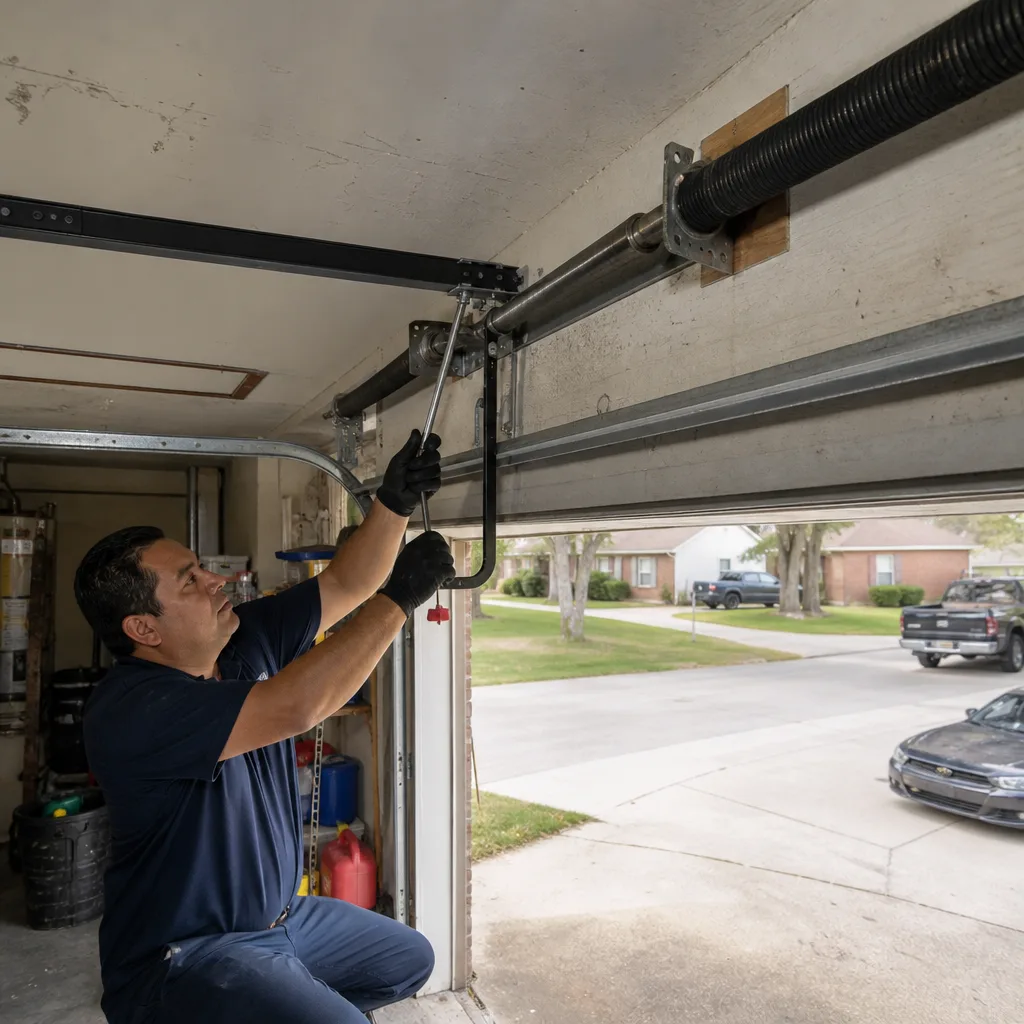 Before
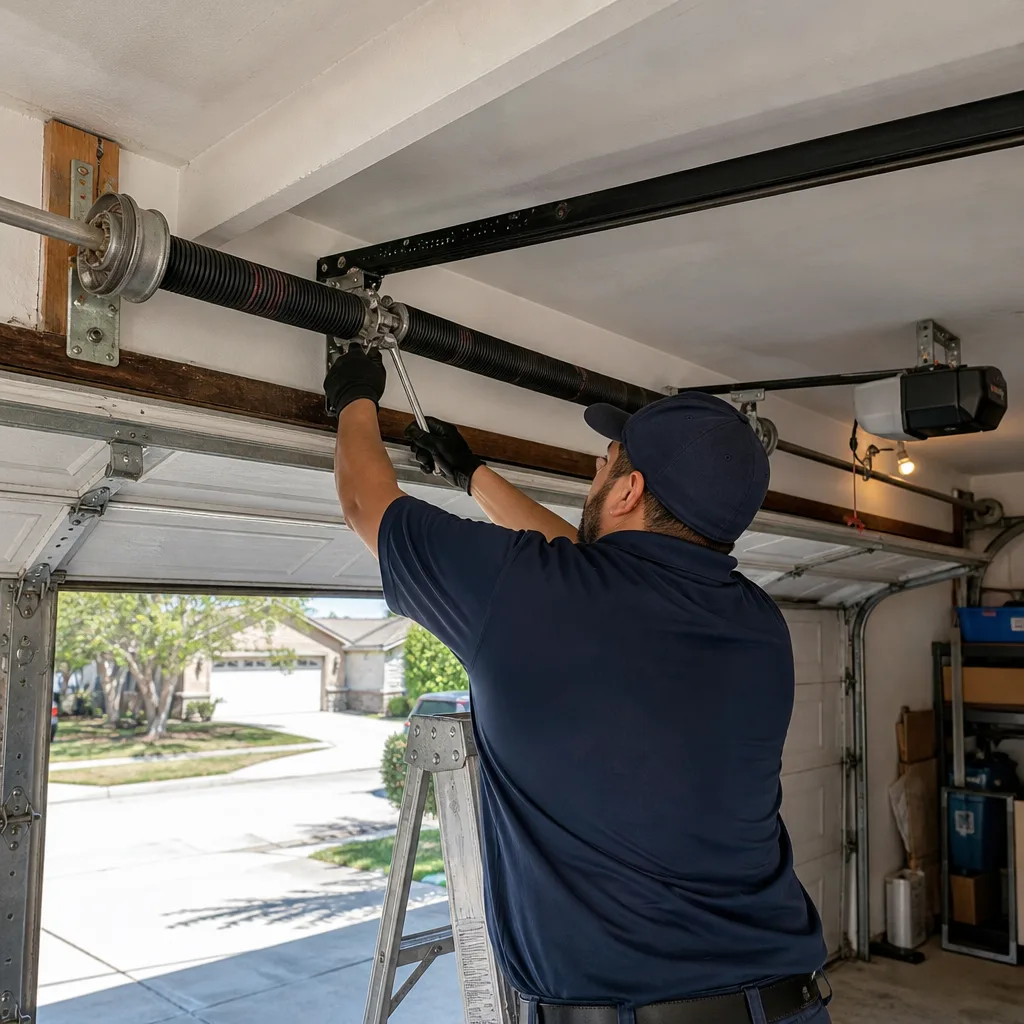 After
After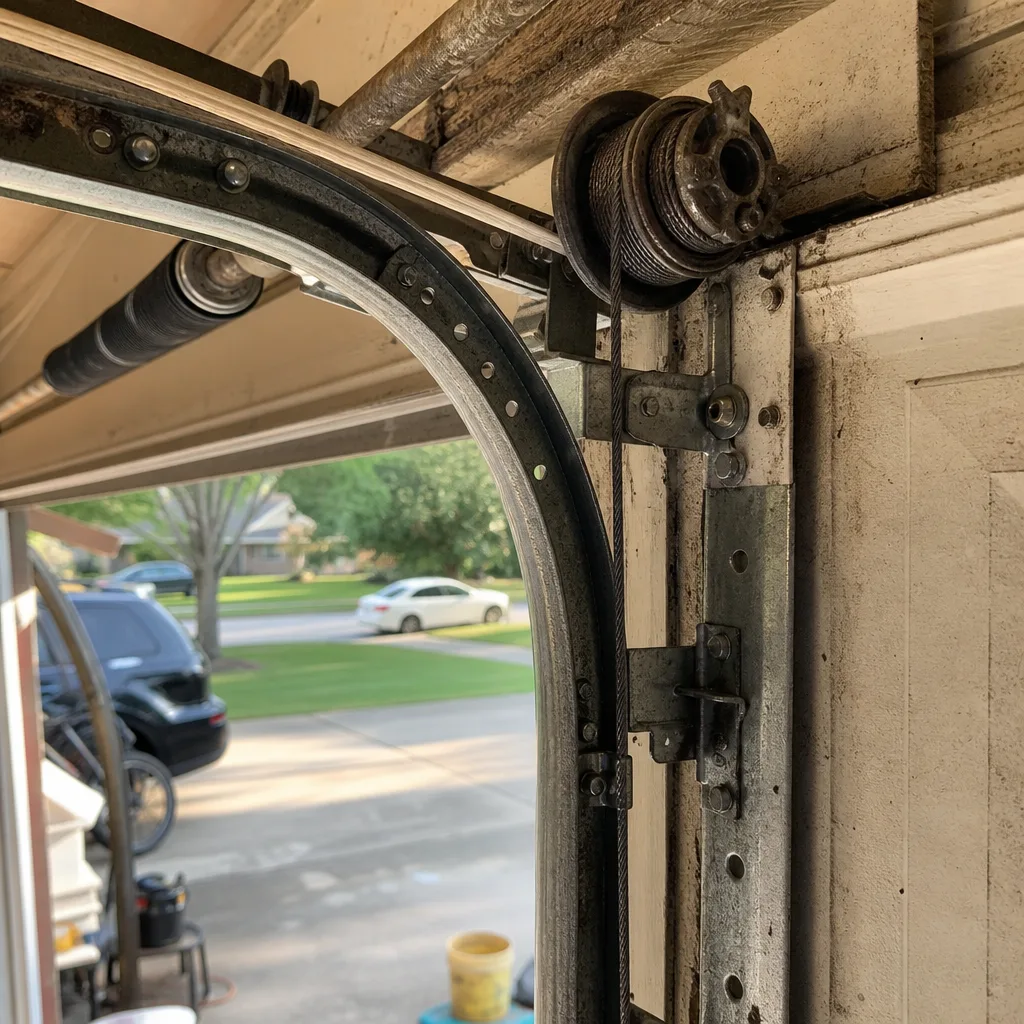 Before
 After
After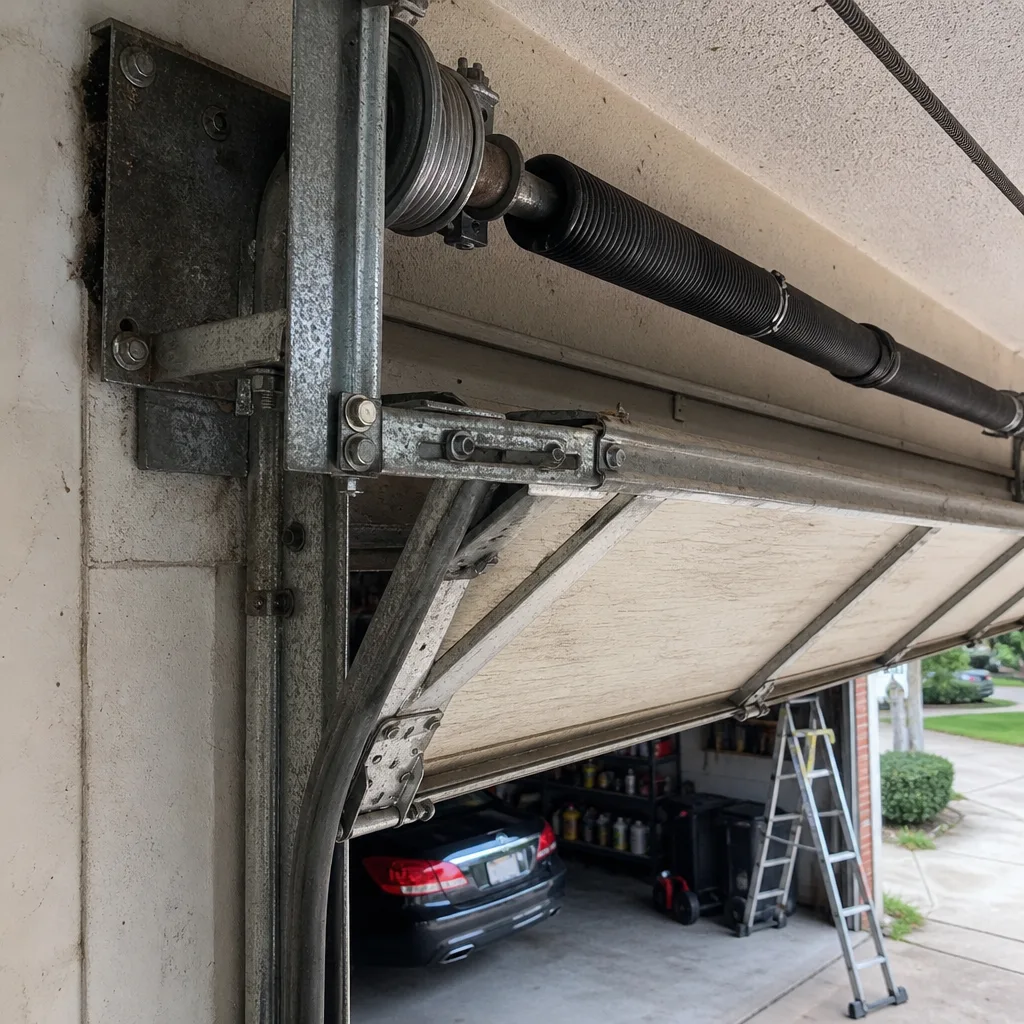 Before
 After
After